

Natural Remedies for Pain Relief: A Comprehensive Guide
Natural remedies for pain relief have gained immense popularity over the years, offering alternatives to traditional over-the-counter medications. Whether you suffer from chronic pain, occasional aches, or discomfort due to injury, exploring holistic options can help. In this article, we will explore various natural remedies that are not only effective but also safe and sustainable.
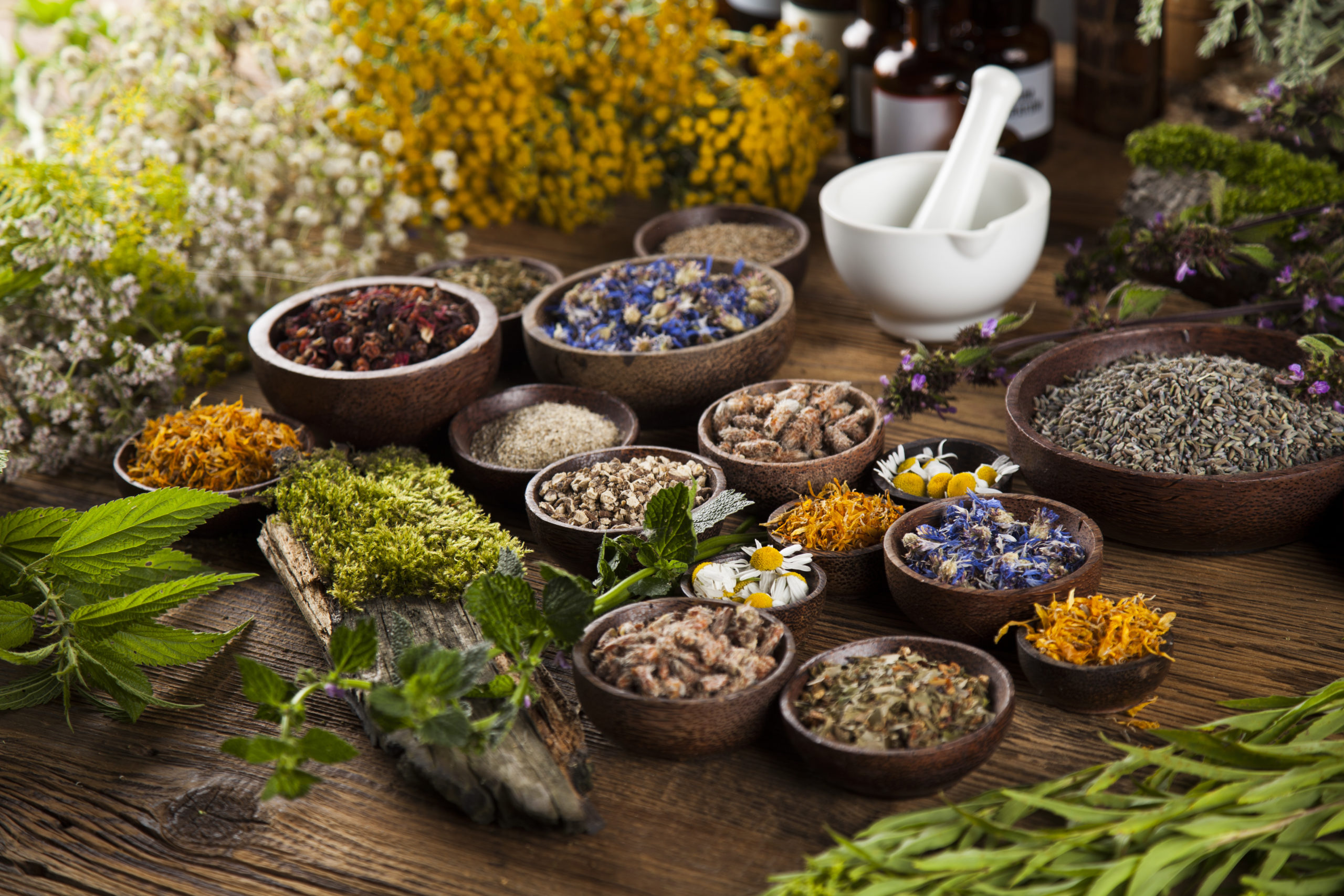
What Are Natural Remedies for Pain Relief?
Natural remedies are treatments derived from nature, including plants, herbs, and essential oils. These remedies have been used for centuries across cultures, offering safe ways to manage pain without relying on synthetic medications. From herbal teas to aromatherapy, natural remedies can be an effective way to relieve pain while promoting overall wellness.
Common Types of Natural Remedies
-
Herbal Medicine: Plants like turmeric, ginger, and willow bark are renowned for their pain-relieving properties.
-
Aromatherapy: Essential oils such as lavender and eucalyptus are used for their soothing effects.
-
Massage Therapy: Techniques like deep tissue massage can help alleviate muscle and joint pain.
-
Acupressure and Acupuncture: These practices focus on energy points in the body to restore balance and reduce pain.
Each of these approaches works in different ways to address pain, but they share a common goal: improving the body’s natural healing process. For more information on pain management techniques, check out our pain relief guide.
Top 5 Natural Remedies for Pain Relief
1. Turmeric and Curcumin: The Golden Remedy
Turmeric, a bright yellow spice commonly used in Indian cuisine, has powerful anti-inflammatory and antioxidant properties. The active ingredient in turmeric, curcumin, is believed to block inflammatory molecules, reducing pain and swelling.
-
Benefits of turmeric for pain: It’s particularly effective for arthritis, muscle pain, and joint pain.
-
How to use: You can add turmeric to your diet by incorporating it into meals, drinking turmeric tea, or taking it as a supplement.
2. Ginger: A Powerful Anti-inflammatory Herb
Ginger is another natural remedy widely known for its anti-inflammatory and pain-relieving properties. It contains compounds that block the production of inflammatory chemicals in the body.
-
Uses: Ginger is often used to treat joint pain, muscle soreness, and even headaches.
-
How to use: Fresh ginger root can be added to teas, smoothies, or meals. Ginger supplements are also available in capsule form.
3. Epsom Salt Bath for Muscle Relaxation
Epsom salt, made up of magnesium sulfate, has long been used as a natural remedy for muscle pain and stiffness. When dissolved in warm water, Epsom salt baths can promote relaxation and reduce pain.
-
Benefits: Helps alleviate muscle cramps, back pain, and even fibromyalgia.
-
How to use: Add 2 cups of Epsom salt to a warm bath and soak for 15-20 minutes. The magnesium is absorbed through the skin, easing muscle tension.
4. Essential Oils: Nature’s Painkillers
Aromatherapy has been used for centuries to treat pain, anxiety, and stress. Several essential oils have been shown to be effective in managing pain, such as lavender, peppermint, eucalyptus, and chamomile.
-
How they work: These oils can reduce muscle tension, improve circulation, and soothe aches. Peppermint oil, for instance, can be applied topically to the temples to relieve headaches.
-
How to use: Use an aromatherapy diffuser or mix oils with a carrier oil and apply them to the skin for direct relief.

5. Acupuncture: Restoring Energy Flow
Acupuncture is an ancient Chinese practice that involves inserting very fine needles into specific points on the body. It is believed that acupuncture stimulates the body’s natural healing mechanisms and helps relieve pain.
-
Benefits: It is particularly effective for chronic pain conditions like migraines, lower back pain, and neck pain.
-
How it works: The process helps release endorphins, the body’s natural painkillers, reducing inflammation and improving blood circulation.
Other Natural Methods for Pain Relief
Massage Therapy for Muscle and Joint Pain
Massage therapy is an effective natural remedy for reducing muscle tension, improving blood circulation, and relieving pain in areas like the back, shoulders, and legs. By applying targeted pressure, massage helps release tight muscles and reduces stress, which can lead to pain relief.
-
Types of massage: Deep tissue, Swedish, and trigger point therapy are commonly used for pain relief.
-
Frequency: Regular sessions can prevent pain from returning, providing long-term benefits.
Hot and Cold Therapy
Applying heat or cold to painful areas is a simple yet effective method for managing discomfort. Heat helps to relax muscles and improve blood flow, while cold therapy can reduce inflammation and numb the area to provide immediate relief.
-
When to use: Use heat for stiff or tense muscles, and cold for swelling or injury.
-
How to use: Apply a warm compress or an ice pack to the affected area for 15-20 minutes.
FAQs About Natural Remedies for Pain Relief
1. Are natural remedies as effective as pharmaceutical painkillers?
Yes, many natural remedies can be just as effective, especially for chronic pain or mild to moderate discomfort. However, it is important to consult with a healthcare professional before replacing prescription medications with natural alternatives.
2. Can I combine multiple natural remedies?
Yes, combining natural remedies like turmeric, ginger, and essential oils can enhance their pain-relieving effects. However, it’s important to start with one remedy at a time to gauge its effectiveness and avoid potential interactions.
3. Are there any side effects to natural remedies?
While natural remedies are generally safe, they can cause side effects in some individuals, particularly when used in large amounts or when combined with other medications. For example, excessive turmeric may cause digestive issues. Always follow dosage guidelines and consult with a healthcare provider.
4. How long does it take for natural remedies to work?
The time it takes for natural remedies to relieve pain can vary depending on the individual and the remedy used. Some remedies, like turmeric or ginger, may take a few days to show noticeable results, while others, like essential oils, can provide immediate relief.
Conclusion
Natural remedies offer an excellent way to manage pain without the need for prescription medications. From herbal treatments to aromatherapy, there are numerous options available to reduce pain and improve your quality of life. Whether you’re dealing with chronic pain or occasional discomfort, it’s important to explore natural remedies that work best for you. Always consult with a healthcare provider before starting a new treatment regimen to ensure safety and effectiveness.
For more tips on managing pain and wellness, check out our Pain Relief Resources.