
Joint Pain Relief: Effective Methods for Managing and Easing Discomfort
Joint pain can significantly affect your quality of life, making everyday tasks feel like a challenge. Whether caused by arthritis, injury, or aging, joint pain can limit your mobility and cause persistent discomfort. The good news is that there are numerous joint pain relief methods available that can help alleviate pain, improve mobility, and enhance your overall quality of life.
In this article, we will discuss various joint pain relief solutions, from natural supplements to lifestyle changes, that can help you manage your symptoms effectively. By understanding the causes of joint pain and adopting the right strategies, you can regain your comfort and mobility.
1. Natural Supplements for Joint Pain Relief
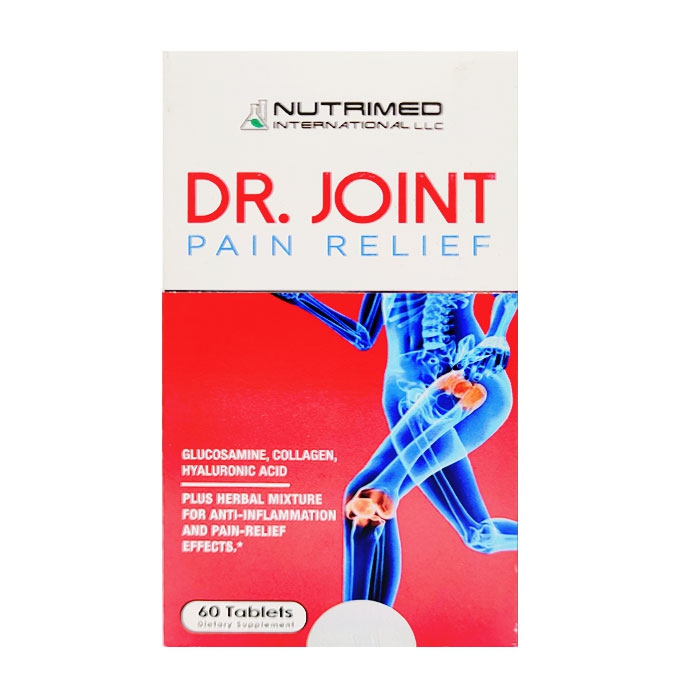
One of the most popular methods for relieving joint pain is the use of natural supplements. These supplements often contain ingredients known for their anti-inflammatory and pain-relieving properties, which can help reduce discomfort and support joint health.
Glucosamine and Chondroitin are two of the most commonly used supplements for joint pain. These compounds are naturally found in the body and help maintain cartilage health. Studies have shown that they may help reduce pain and improve mobility, especially for individuals with osteoarthritis.
Additionally, turmeric and ginger are well-known for their natural anti-inflammatory properties. Taking these in supplement form or adding them to your diet can provide relief from joint pain and reduce swelling.
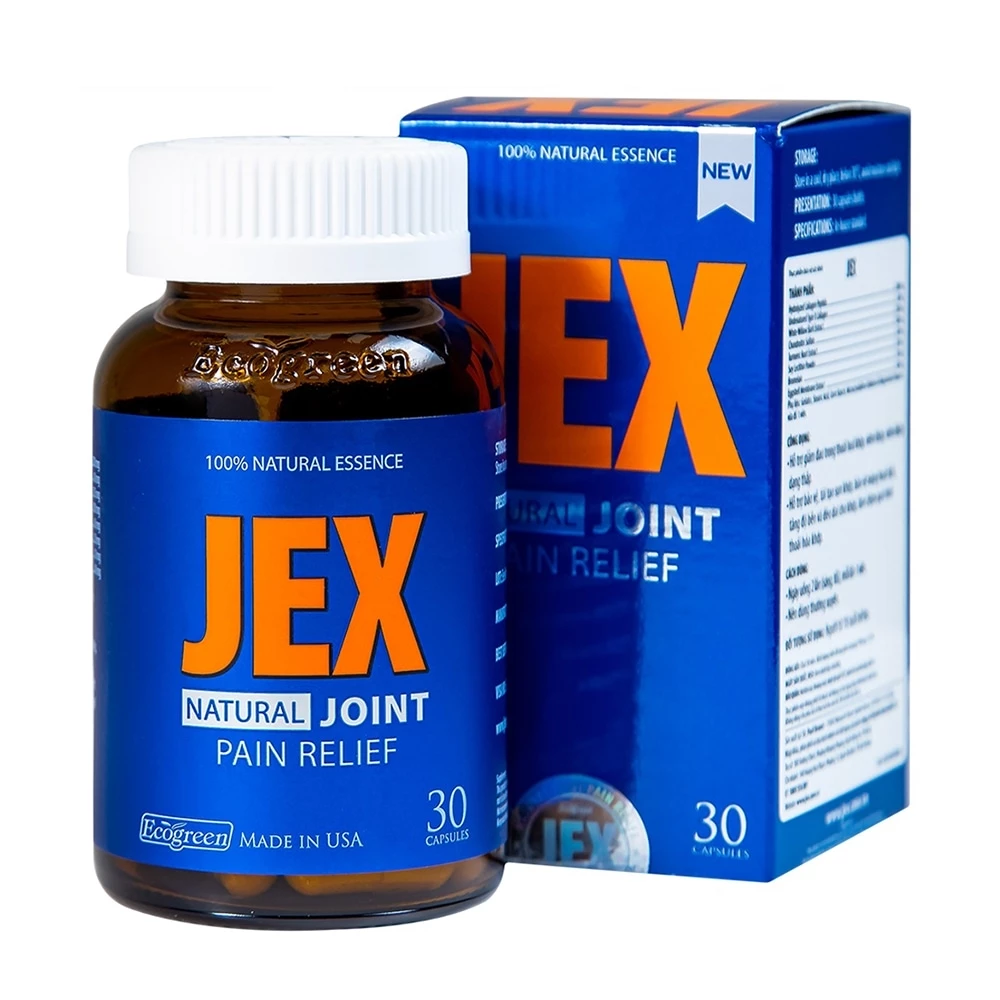
For those looking for a more targeted supplement, products like Jex Natural Joint Pain Relief can offer additional support. These products combine natural ingredients with scientifically-backed formulas to promote joint health and provide effective pain relief.
2. Physical Therapy and Exercise
While joint pain can make it difficult to move, staying active is one of the best ways to reduce pain and improve joint function. Physical therapy and exercise are essential joint pain relief methods that help strengthen muscles around the affected joint and improve flexibility.
A physical therapist can design a personalized exercise program to target the muscles surrounding the joint. This can improve strength and reduce the strain on the affected joint, ultimately reducing pain and preventing further injury.
Low-impact exercises like swimming, cycling, and walking are excellent choices for individuals with joint pain. These activities allow you to stay active while minimizing stress on the joints. Regular exercise also promotes weight management, which can reduce the pressure on weight-bearing joints, like the knees and hips.
3. Hot and Cold Therapy
Hot and cold therapy is a simple yet effective way to manage joint pain. Both heat and cold can reduce inflammation and relieve muscle tension, offering instant relief from discomfort.
-
Cold therapy: Applying an ice pack or cold compress to the affected area can help reduce inflammation and numb the area, providing pain relief. This is especially useful for joint pain caused by acute injuries or flare-ups of conditions like arthritis.
-
Heat therapy: Applying heat, such as a warm towel or heating pad, can relax the muscles and increase blood flow to the affected joint. This is beneficial for chronic pain or stiffness, as it helps improve flexibility and reduces muscle tension.
For best results, alternate between heat and cold therapy, depending on the nature of your pain. Always use a cloth or towel to protect your skin from direct contact with hot or cold surfaces.
4. Weight Management: Reducing Stress on Your Joints
Carrying excess weight puts additional strain on your joints, particularly those that bear your body weight, like the knees, hips, and lower back. By managing your weight, you can reduce the stress placed on your joints and alleviate pain.
Even a small amount of weight loss can have a significant impact on joint pain. Studies show that losing just 5-10% of your body weight can lead to noticeable improvements in pain and function, particularly for individuals with knee or hip arthritis.
Incorporating healthy eating habits, such as eating a balanced diet rich in anti-inflammatory foods, can further support joint health. Foods like fish, fruits, vegetables, and whole grains provide essential nutrients that reduce inflammation and support joint function.
5. Over-the-Counter Medications
For more immediate relief from joint pain, over-the-counter (OTC) medications such as ibuprofen or acetaminophen can help. These medications are effective for reducing pain and inflammation, allowing you to manage symptoms on a short-term basis.
However, it’s important to use OTC medications sparingly and under the guidance of a healthcare professional, as prolonged use can lead to side effects. If you find that you need to rely on pain medications frequently, consult a doctor to explore other treatment options.
6. Injections and Surgical Treatments
For individuals with severe or persistent joint pain, injections or surgical interventions may be necessary. Corticosteroid injections can provide temporary pain relief by reducing inflammation around the joint. These injections can be especially helpful for those with conditions like arthritis.
In more severe cases, joint replacement surgery may be considered. This procedure involves replacing the damaged joint with an artificial one, most commonly in the knee, hip, or shoulder. While surgery is usually a last resort, it can offer significant pain relief and improved mobility for those with advanced joint degeneration.
7. Joint Pain Relief Products
In addition to supplements, several joint pain relief products can help manage discomfort. These include topical creams, gels, and patches that contain ingredients like menthol, camphor, and capsaicin. When applied to the skin, these products can provide localized pain relief by increasing blood flow and soothing sore muscles and joints.
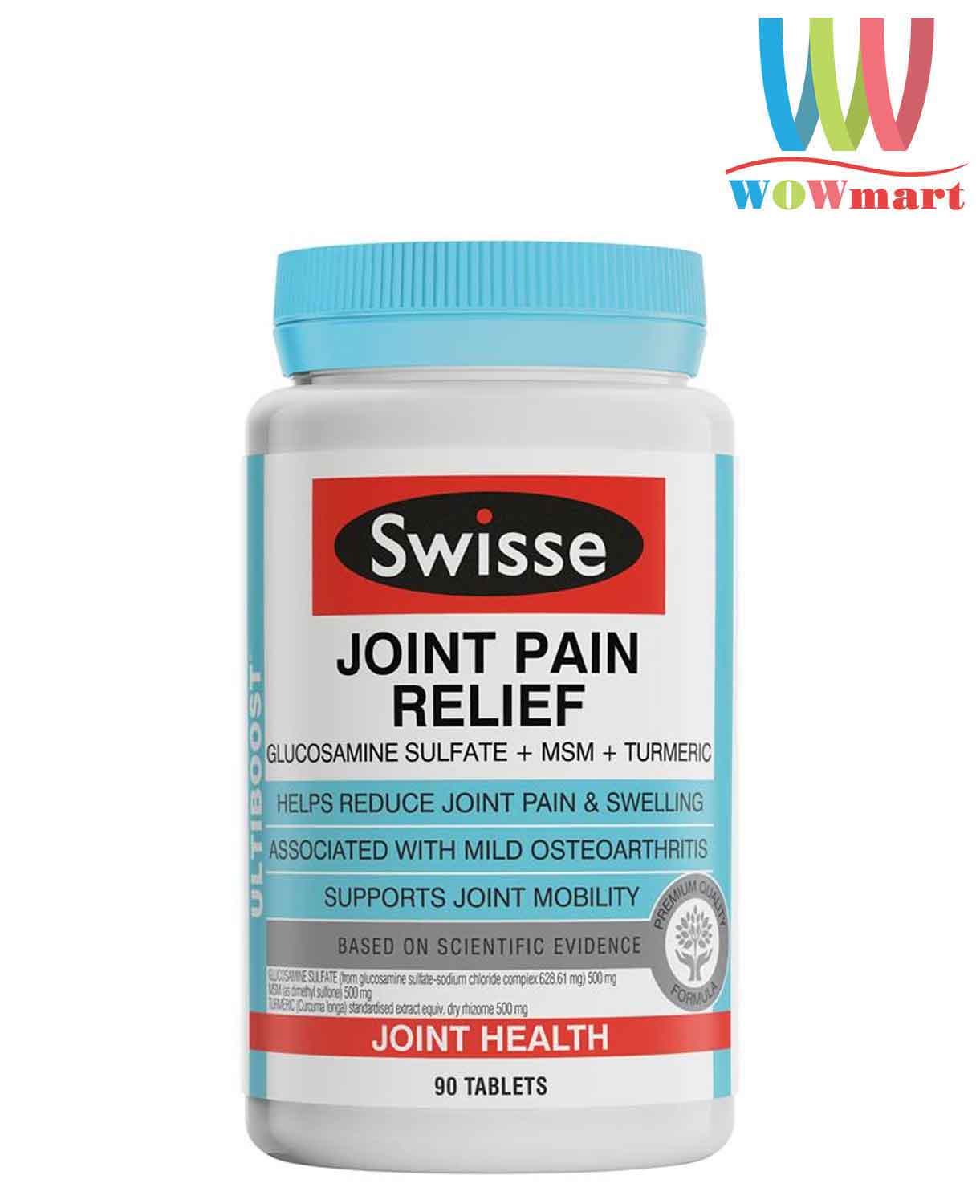
Swisse Joint Pain Relief is another product that combines natural ingredients, such as glucosamine and turmeric, to provide targeted relief from joint pain and stiffness. It’s important to consult with a healthcare professional before incorporating any new products into your routine.
8. Massage Therapy: Relax and Relieve Tension
Massage therapy is another excellent way to alleviate joint pain, especially for individuals with muscle stiffness and tension around the joint. Therapeutic massage can increase blood circulation, improve flexibility, and reduce pain by relaxing the muscles and tissues.
Many individuals with joint pain benefit from regular deep tissue massages or trigger point therapy, which targets specific areas of muscle tension. Consult with a licensed massage therapist to determine the best approach for your needs.
9. Yoga and Stretching: Improve Flexibility and Strength
Yoga and stretching exercises are great for improving flexibility and maintaining joint health. Many yoga poses focus on strengthening and stretching the muscles around the joints, improving mobility, and reducing stiffness.
Regular yoga practice can also help with posture, which plays a crucial role in reducing joint strain. By practicing yoga consistently, you can strengthen the muscles that support your joints and prevent future injuries.
Benefits of Yoga for Joint Pain:
-
Improves flexibility and mobility
-
Reduces stiffness and tension
-
Enhances strength in supporting muscles
Frequently Asked Questions (FAQs)
1. What is the fastest way to relieve joint pain?
The fastest way to relieve joint pain is through cold therapy (for acute pain) or heat therapy (for chronic pain). Over-the-counter pain medications can also provide quick relief, but it’s important to use them as directed.
2. What supplements are best for joint pain?
Popular supplements for joint pain include glucosamine, chondroitin, turmeric, and omega-3 fatty acids. These natural ingredients have anti-inflammatory properties that can help reduce joint pain and improve joint health.
3. Can exercise worsen joint pain?
In most cases, exercise can help reduce joint pain by strengthening the muscles around the joint and improving flexibility. However, it’s important to choose low-impact exercises to avoid further strain on the joint. Always consult with a healthcare professional before starting a new exercise routine.
4. When should I see a doctor for joint pain?
If your joint pain is severe, persistent, or accompanied by swelling, redness, or warmth around the joint, it’s important to see a doctor. A healthcare professional can diagnose the underlying cause of your pain and recommend appropriate treatment options.
Conclusion
Managing joint pain is crucial for maintaining your quality of life and staying active. By incorporating various joint pain relief methods—including natural supplements, physical therapy, exercise, and self-care techniques—you can reduce pain, improve mobility, and enjoy a more comfortable lifestyle.
Remember, every individual’s experience with joint pain is different, so it’s important to explore a combination of approaches that work best for you. Whether you prefer natural remedies, physical therapy, or more advanced treatments, there’s a solution out there that can help you regain control over your joint health.