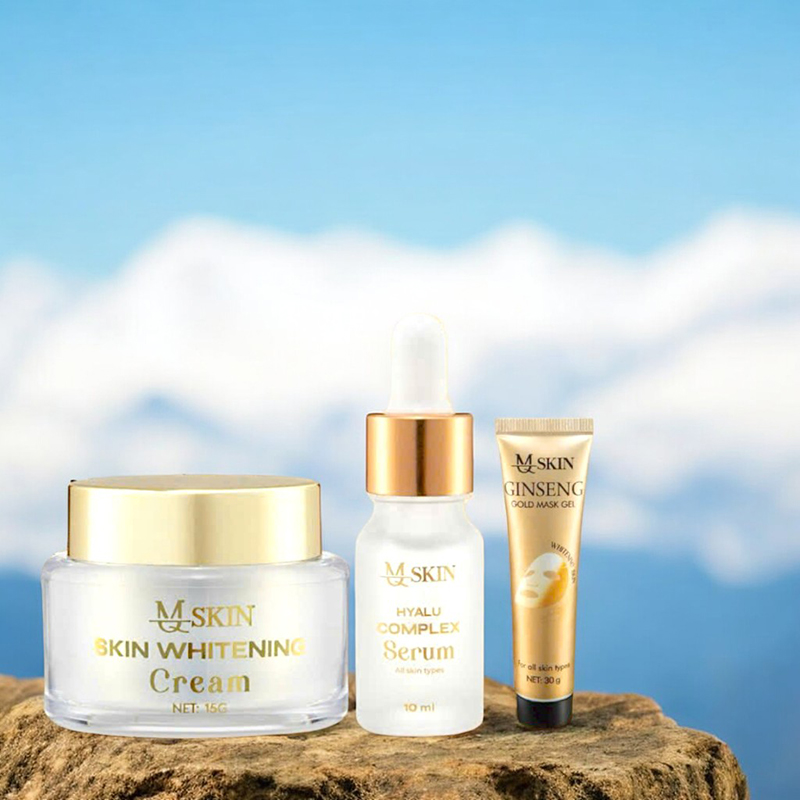

The Complete Guide to Skin Whitening Creams: Benefits, Types, and How to Choose
Skin whitening creams are becoming increasingly popular in the beauty industry. With the growing demand for fairer and more radiant skin, these products promise to reduce skin pigmentation, brighten the complexion, and give users a more youthful appearance. However, choosing the right skin whitening cream can be a daunting task, especially with the abundance of options available. In this guide, we’ll delve into everything you need to know about skin whitening creams, from their benefits to how to use them effectively.
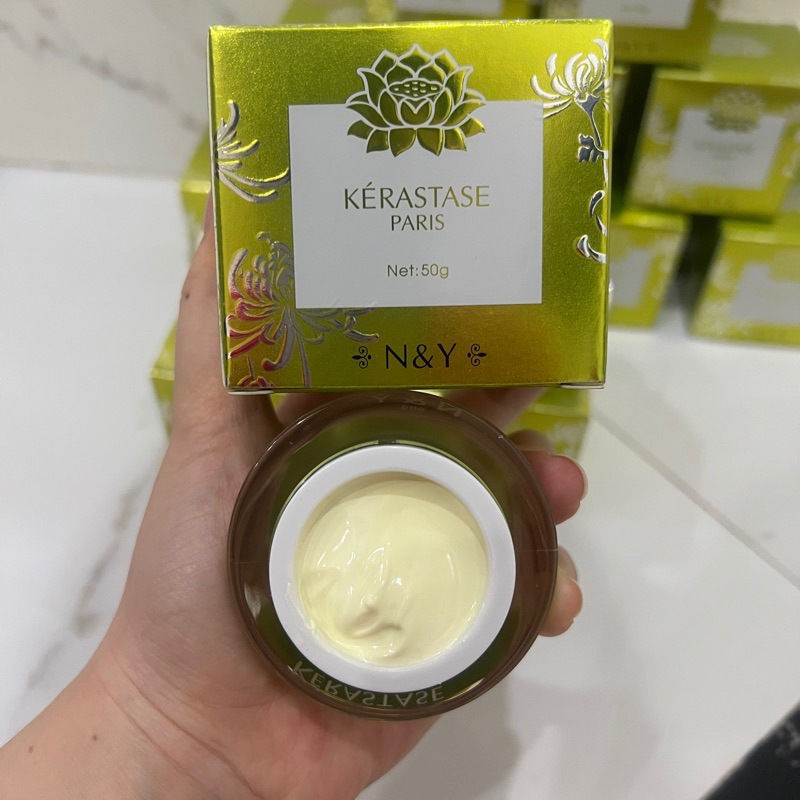
What is Skin Whitening Cream?
Skin whitening creams are products formulated to lighten skin tone by reducing hyperpigmentation, dark spots, and uneven skin tone. These creams usually contain active ingredients such as hydroquinone, kojic acid, vitamin C, or arbutin, which inhibit melanin production, the pigment responsible for dark skin.
The primary purpose of skin whitening creams is to help achieve a more even and brighter complexion. While the terms “whitening” and “brightening” are often used interchangeably, skin whitening specifically targets the reduction of dark pigmentation, while brightening generally refers to enhancing the overall radiance of the skin.
Benefits of Skin Whitening Creams
1. Reduces Hyperpigmentation
Hyperpigmentation, including dark spots, sun spots, and age spots, occurs when excess melanin is produced in certain areas of the skin. Skin whitening creams can help lighten these dark patches, providing a more even skin tone.
2. Evens Skin Tone
For individuals struggling with uneven skin tone, skin whitening creams can offer a solution. These creams work to balance out the production of melanin, leading to a more uniform complexion.
3. Brightens Dull Skin
A radiant and glowing complexion is a sign of healthy skin. Skin whitening creams help rejuvenate dull skin by removing dead skin cells and enhancing the skin’s natural radiance.
4. Reduces Dark Circles
Some skin whitening creams contain ingredients that specifically target the delicate under-eye area to reduce dark circles and puffiness. This can make the eyes appear brighter and more awake.
5. Anti-Aging Effects
Many skin whitening creams contain antioxidants such as vitamin C and niacinamide, which help protect the skin from oxidative stress and environmental damage. These ingredients can reduce the appearance of fine lines, wrinkles, and other signs of aging.
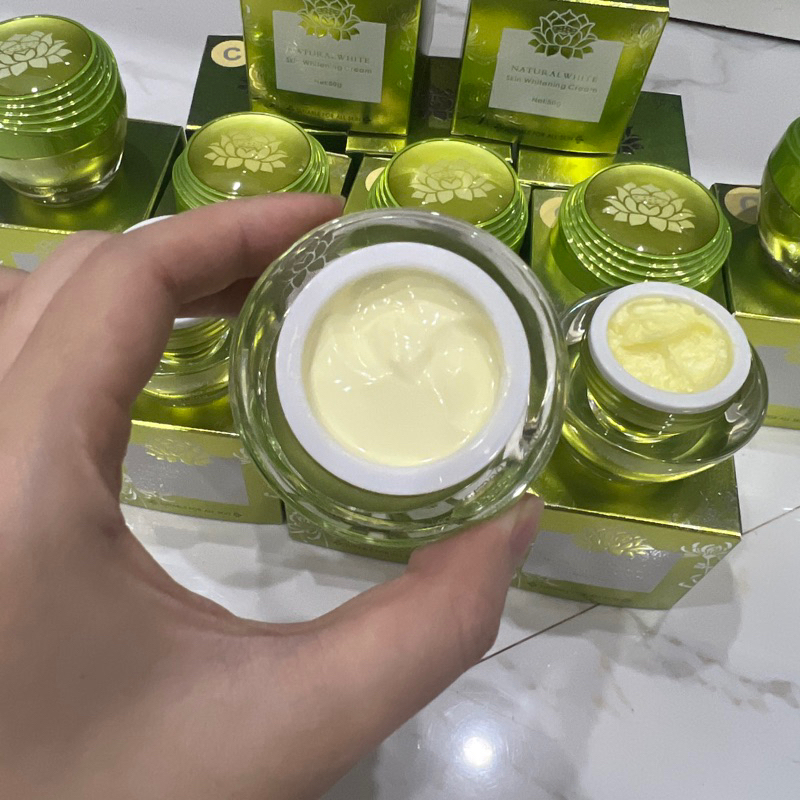
Types of Skin Whitening Ingredients
Hydroquinone
Hydroquinone is one of the most popular and effective ingredients in skin whitening products. It works by inhibiting the enzyme responsible for melanin production, leading to lighter skin. However, it should be used with caution, as it can cause skin irritation if overused.
Kojic Acid
Kojic acid is derived from fungi and is another powerful skin-lightening agent. It helps to reduce the production of melanin, resulting in a brighter and more even complexion. Kojic acid is commonly used in products for dark spots, sun spots, and acne scars.
Vitamin C
Vitamin C is a potent antioxidant known for its ability to brighten the skin and reduce pigmentation. It not only lightens dark spots but also boosts collagen production, improving skin texture and firmness.
Arbutin
Arbutin is a naturally occurring compound found in plants like bearberry. It works similarly to hydroquinone but is gentler on the skin. Arbutin inhibits melanin production, helping to lighten dark spots and even skin tone.
Niacinamide
Niacinamide, also known as vitamin B3, is an effective skin-brightening ingredient. It helps to reduce melanin production and even out the skin tone, while also providing anti-inflammatory benefits for those with sensitive skin.
How to Choose the Best Skin Whitening Cream
Choosing the right skin whitening cream depends on your skin type, concerns, and desired results. Here are a few tips to help you make an informed decision:
1. Consider Your Skin Type
Different skin types react to different ingredients. If you have sensitive skin, opt for gentle formulations that contain kojic acid or niacinamide. If you have oily skin, look for lightweight creams that won’t clog your pores.
2. Check the Ingredients
Always read the ingredient list carefully. Choose products that contain well-known, safe, and effective whitening ingredients like hydroquinone, vitamin C, and kojic acid. Be cautious with products that contain high levels of hydroquinone, as it may cause irritation in some people.
3. Consider Your Specific Concerns
If you’re targeting dark spots or age spots, look for a cream with ingredients like arbutin or kojic acid. For uneven skin tone or dullness, choose creams with vitamin C or niacinamide, which promote overall skin brightness.
4. SPF Protection
It’s essential to use sunscreen in conjunction with skin whitening creams. Many whitening creams contain ingredients that can make the skin more sensitive to sunlight, so applying broad-spectrum SPF daily is important to prevent further damage.
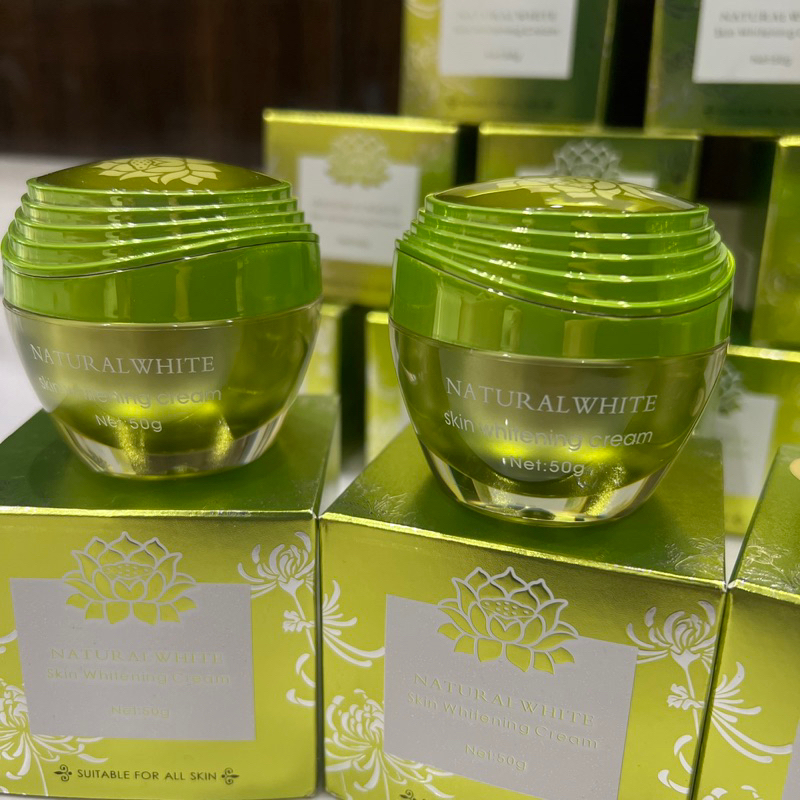
How to Use Skin Whitening Creams Effectively
Step 1: Cleanse Your Skin
Start by cleansing your face with a gentle cleanser to remove dirt, oil, and impurities. Clean skin allows the active ingredients in the whitening cream to penetrate deeply and work effectively.
Step 2: Apply Toner
Toning helps balance the skin’s pH and prepares it to absorb the next skincare products more effectively. Use a toner that suits your skin type.
Step 3: Apply Whitening Cream
Apply a small amount of whitening cream to your face, focusing on areas with dark spots or uneven pigmentation. Gently massage it into your skin using upward motions.
Step 4: Use Sunscreen
Since skin whitening creams can make your skin more susceptible to UV damage, it’s crucial to apply sunscreen during the day. Choose a broad-spectrum SPF of at least 30 to protect your skin from harmful sun rays.
FAQs About Skin Whitening Creams
1. Are skin whitening creams safe to use?
Most skin whitening creams are safe when used correctly. However, it’s important to patch-test the product before full application to ensure you don’t have an allergic reaction.
2. How long does it take to see results from skin whitening creams?
Results can vary depending on the product and individual skin type. However, most people begin to see noticeable improvements in skin tone within 4-6 weeks of consistent use.
3. Can skin whitening creams be used on the body?
Yes, many skin whitening creams are formulated for both the face and body. If you want to lighten dark spots on your body, choose a cream that is safe for larger areas of skin.
4. Are there any side effects of using skin whitening creams?
Some people may experience side effects such as redness, irritation, or dryness when using skin whitening creams. It’s important to follow the product instructions and use sunscreen to prevent sunburn or irritation.
Conclusion
Skin whitening creams can be a valuable addition to your skincare routine if you are looking to even out your complexion, reduce pigmentation, or achieve a more radiant appearance. With the right product and consistent use, you can achieve beautiful, glowing skin. Always choose a product with safe, effective ingredients and remember to protect your skin with sunscreen.
If you’re ready to experience the benefits of skin whitening, start with a trusted cream that suits your needs. Be patient and consistent, and you’ll enjoy brighter, more even skin in no time.