
The Ultimate Guide to Herbal Supplements: Nature’s Medicine
Herbal supplements have been used for centuries to treat a variety of health conditions. These natural remedies can provide numerous benefits, from boosting immunity to enhancing overall wellness. However, with the growing popularity of herbal supplements, it’s essential to understand their potential effects, how to choose the right ones, and how to use them safely. In this guide, we’ll explore everything you need to know about herbal supplements.
What Are Herbal Supplements?
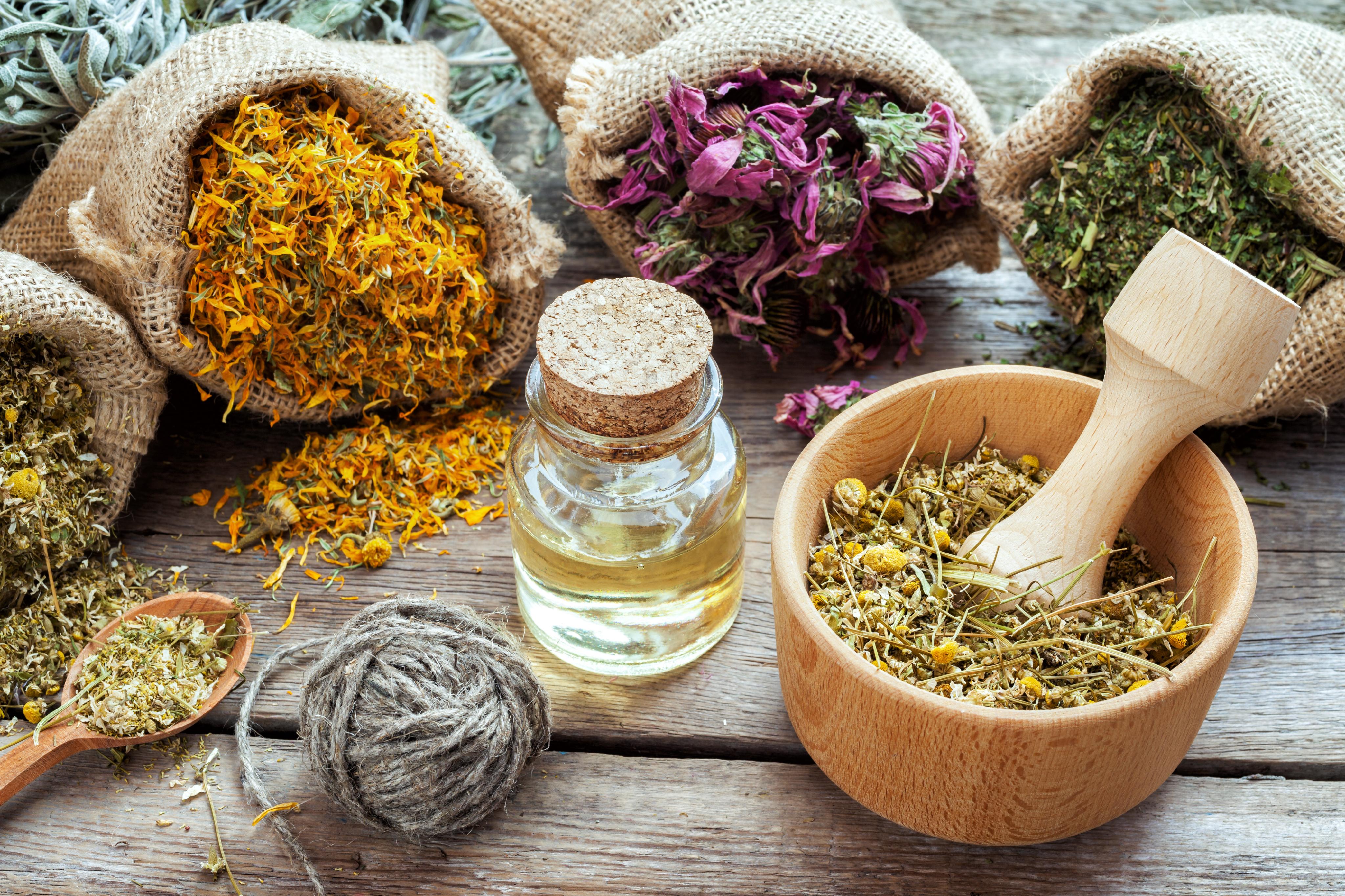
Herbal supplements are products made from plants or plant extracts that are used to promote health and treat various medical conditions. These supplements come in many forms, such as capsules, tablets, teas, powders, and tinctures.
The active compounds in herbs can have therapeutic effects on the body. For example, some herbs may help to reduce inflammation, improve digestion, support cognitive function, or boost the immune system.
Benefits of Herbal Supplements
1. Boosts Immune System
Many herbs have natural antioxidant and anti-inflammatory properties that can help strengthen the immune system. For example:
-
Echinacea: Known for its ability to stimulate the immune system, echinacea is commonly used to prevent or reduce the severity of colds.
-
Ginseng: This herb helps to enhance the body’s ability to fight infections and increase energy levels.
2. Improves Digestion
Herbal supplements can also promote healthy digestion by soothing the digestive tract and improving gut function. Some popular herbs for digestive health include:
-
Peppermint: Peppermint oil is often used to relieve symptoms of indigestion, bloating, and irritable bowel syndrome (IBS).
-
Ginger: Known for its anti-nausea properties, ginger is frequently used to treat motion sickness, digestive upset, and even morning sickness during pregnancy.
3. Supports Mental Health
Herbal supplements can play a crucial role in supporting mental health. Some herbs have mood-enhancing and calming effects that can help reduce stress and anxiety. Common herbs for mental well-being include:
-
St. John’s Wort: This herb is often used as a natural remedy for depression and anxiety.
-
Ashwagandha: Known as an adaptogen, ashwagandha helps the body manage stress and anxiety levels effectively.
4. Improves Sleep Quality
Many herbs are known to help promote better sleep by calming the nervous system and relaxing the body. Some herbal supplements for sleep include:
-
Chamomile: Chamomile is one of the most popular herbs for aiding sleep and relaxation.
-
Valerian Root: Often used as a natural sedative, valerian root helps improve sleep quality and reduce insomnia.
Choosing the Right Herbal Supplement
When it comes to herbal supplements, it’s essential to choose high-quality products from reputable sources. Here are a few tips on how to select the right herbal supplement for your needs:
-
Research the Herb: Learn about the herb’s potential benefits, dosage, and any side effects. It’s crucial to understand how the herb works before using it.
-
Check for Certification: Look for third-party testing or certification to ensure that the product is free from contaminants and accurately labeled.
-
Consider Dosage: The effectiveness of a herbal supplement depends on the right dosage. Follow the manufacturer’s guidelines or consult with a healthcare provider for advice.
-
Beware of Interactions: Some herbs can interact with prescription medications, so it’s important to consult with a healthcare provider before combining them with other treatments.
Common Herbal Supplements and Their Uses
-
Turmeric: Known for its powerful anti-inflammatory properties, turmeric is often used to relieve joint pain and promote overall wellness.
-
Milk Thistle: This herb is widely used to support liver health and detoxification.
-
Lavender: Used for its calming properties, lavender is great for reducing stress and improving sleep quality.
Potential Risks and Side Effects
While herbal supplements are generally considered safe, they can have side effects or interact with medications. It’s important to be aware of the potential risks:
-
Allergic Reactions: Some people may experience allergies to certain herbs.
-
Drug Interactions: Herbs like St. John’s Wort can interact with medications, including antidepressants, birth control pills, and blood thinners.
-
Overuse: Taking excessive amounts of herbal supplements can lead to toxicity or other health problems. Always follow recommended dosages.
Best Practices for Using Herbal Supplements Safely
-
Consult with a Doctor: Before starting any new supplement, it’s wise to speak with a healthcare provider, especially if you have pre-existing health conditions or are pregnant or breastfeeding.
-
Use as Part of a Healthy Lifestyle: Herbal supplements work best when used in combination with a balanced diet, regular exercise, and proper hydration.
-
Start Slowly: When trying a new supplement, start with a lower dose to see how your body reacts.
Herbal Supplements for Specific Health Goals
Herbal supplements can be tailored to address specific health concerns. Here are some herbs that may help with various health goals:
1. Weight Loss
Some herbal supplements can support weight loss by boosting metabolism or reducing appetite. Popular herbs for weight management include:
-
Green Tea Extract: Rich in catechins, green tea extract can help increase metabolism and fat burning.
-
Garcinia Cambogia: Often used for its appetite-suppressing properties, Garcinia Cambogia can help reduce calorie intake.
2. Skin Health
Certain herbs can improve the appearance of your skin by reducing inflammation and promoting healthy skin regeneration. Herbs like aloe vera and tea tree oil are commonly used to treat acne and other skin conditions.
3. Heart Health
Herbs such as hawthorn and garlic have been shown to support heart health by reducing cholesterol levels and improving circulation. Adding these herbs to your diet may help reduce the risk of cardiovascular disease.
FAQs About Herbal Supplements
1. Are herbal supplements effective for all health conditions?
Not all health conditions can be treated with herbal supplements. While they may offer benefits for some, others may require prescription medications or lifestyle changes.
2. Can herbal supplements be used in combination with other medications?
Herbal supplements can interact with prescription medications, so it’s important to consult with your healthcare provider before combining them.
3. How long does it take to see results from herbal supplements?
The time it takes to see results from herbal supplements can vary depending on the herb and your specific health concerns. Some may take a few weeks, while others may take longer.
4. Are herbal supplements safe for pregnant or breastfeeding women?
Some herbal supplements are not safe during pregnancy or breastfeeding. Always consult with a healthcare provider before using any herbal remedies in these situations.
Conclusion
Herbal supplements offer a natural way to support overall health and manage specific health concerns. While these remedies can be highly effective, it’s essential to use them safely and consult with a healthcare provider before adding them to your routine. By choosing high-quality products, understanding their potential benefits and risks, and incorporating them into a healthy lifestyle, you can unlock the power of nature to enhance your well-being.