

Cholesterol Control: A Comprehensive Guide to Maintaining Healthy Levels
Cholesterol is a fatty substance essential for the body, but when levels are too high, it can lead to severe health issues, including heart disease. Managing cholesterol is crucial for maintaining heart health and overall well-being. This guide will explore the importance of cholesterol control, ways to lower cholesterol levels, and how to maintain a healthy lifestyle.

What is Cholesterol and Why is it Important?
Cholesterol is a waxy substance found in every cell of your body. It plays a vital role in producing hormones, vitamin D, and substances that help digest foods. However, too much cholesterol can create plaque buildup in your arteries, leading to atherosclerosis, which can cause heart disease and stroke.
There are two main types of cholesterol:
-
LDL (Low-Density Lipoprotein): Often referred to as “bad” cholesterol, it can lead to plaque formation in the arteries.
-
HDL (High-Density Lipoprotein): Known as “good” cholesterol, it helps remove LDL cholesterol from the bloodstream.
Maintaining a balance between LDL and HDL cholesterol is key to a healthy cardiovascular system.
The Risks of High Cholesterol
If cholesterol levels are not managed properly, they can cause various health issues:
-
Heart disease: High cholesterol leads to the buildup of plaque in the arteries, narrowing them and increasing the risk of heart attacks.
-
Stroke: Similar to heart disease, plaque buildup can restrict blood flow to the brain, increasing the risk of a stroke.
-
High blood pressure: Cholesterol buildup can cause the arteries to stiffen, leading to increased blood pressure.
Managing cholesterol levels is essential to preventing these serious health complications.
How to Lower Cholesterol Naturally
Lowering cholesterol doesn’t always require medication. With the right lifestyle changes, you can improve your cholesterol levels and overall health.
1. Eat a Heart-Healthy Diet
What you eat plays a significant role in your cholesterol levels. Here’s what to focus on:
-
Increase soluble fiber: Foods like oats, beans, and lentils can help lower LDL cholesterol.
-
Add healthy fats: Monounsaturated and polyunsaturated fats found in olive oil, avocados, and fatty fish (like salmon) can help raise HDL cholesterol.
-
Limit saturated and trans fats: Found in red meat, full-fat dairy products, and processed foods, these fats can increase LDL cholesterol levels.
-
Eat more fruits and vegetables: These foods are rich in nutrients and fiber, which are beneficial for heart health.
2. Exercise Regularly
Physical activity helps improve cholesterol levels by increasing HDL cholesterol and lowering LDL cholesterol. Aim for at least 30 minutes of moderate-intensity exercise, such as brisk walking, most days of the week. Other exercises, like swimming and cycling, can also help lower cholesterol and improve heart health.

3. Maintain a Healthy Weight
Being overweight or obese can increase LDL cholesterol levels and decrease HDL cholesterol. Losing even a small amount of weight can help improve your cholesterol levels and overall health. A balanced diet and regular exercise are key components of successful weight management.
4. Avoid Smoking and Limit Alcohol Consumption
Smoking can lower HDL cholesterol and damage the walls of your blood vessels, making it easier for plaque to build up in your arteries. Quitting smoking can improve your HDL cholesterol and reduce your risk of heart disease. Additionally, excessive alcohol intake can lead to higher cholesterol levels, so it’s important to drink in moderation.
Cholesterol-Lowering Foods to Include in Your Diet
Incorporating cholesterol-lowering foods into your meals can have a positive impact on your heart health. Here are some foods known to help control cholesterol levels:
-
Oats and barley: These grains are high in soluble fiber, which helps lower LDL cholesterol.
-
Nuts: Almonds, walnuts, and other nuts can help lower LDL cholesterol when eaten in moderation.
-
Olive oil: A healthy fat that can help raise HDL cholesterol and reduce LDL cholesterol.
-
Fatty fish: Salmon, mackerel, and sardines are rich in omega-3 fatty acids, which can help reduce LDL cholesterol and inflammation.
-
Fruits and vegetables: A wide variety of fruits and vegetables can lower cholesterol, especially those rich in fiber and antioxidants.
Including these foods in your daily diet can provide natural support for maintaining healthy cholesterol levels.
When is Medication Necessary for Cholesterol Control?
While lifestyle changes are effective in managing cholesterol, some individuals may require medication to control their levels. Statins are the most common class of drugs prescribed to lower cholesterol, particularly for individuals at high risk of heart disease or stroke.
It’s essential to consult with a healthcare professional to determine whether medication is necessary for your situation. Your doctor will assess your cholesterol levels, family history, and other risk factors to create a treatment plan tailored to your needs.
The Role of Supplements in Cholesterol Control
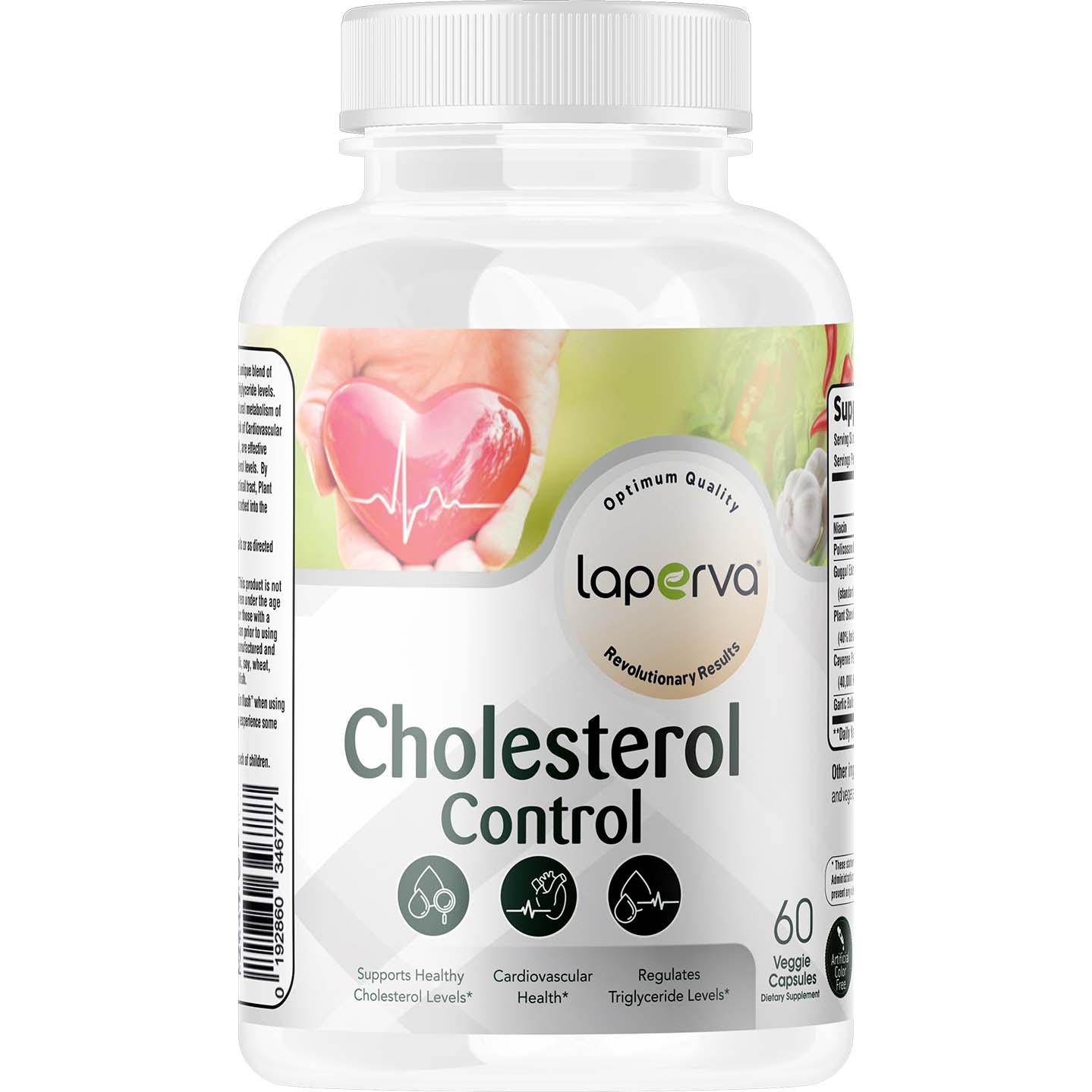
In addition to lifestyle changes, several supplements can support cholesterol management. Always consult with a healthcare provider before adding supplements to your routine. Some of the most commonly recommended supplements include:
-
Fish oil: Rich in omega-3 fatty acids, which can help lower LDL cholesterol and triglycerides.
-
Plant sterols and stanols: These compounds, found in some fortified foods and supplements, can block the absorption of cholesterol.
-
Niacin (Vitamin B3): Niacin can increase HDL cholesterol and lower LDL cholesterol, although it should be used under a doctor’s guidance due to potential side effects.
Cholesterol Control and Heart Health
Managing cholesterol is directly linked to reducing the risk of heart disease. By controlling cholesterol levels, you can prevent the narrowing of your arteries and maintain optimal blood flow. A healthy heart is the foundation of overall wellness, and cholesterol control is an essential component of heart health.
If you want to learn more about how to improve your heart health, consider exploring additional resources like the American Heart Association.
FAQs About Cholesterol Control
1. How often should I get my cholesterol checked?
It’s recommended to get your cholesterol checked at least once every four to six years if you’re an adult over the age of 20. If you have risk factors for heart disease, such as a family history of high cholesterol or a history of smoking, you may need more frequent testing.
2. Can high cholesterol be inherited?
Yes, high cholesterol can be inherited through a condition called familial hypercholesterolemia. If you have a family history of high cholesterol or heart disease, it’s essential to monitor your cholesterol levels regularly.
3. How long does it take to lower cholesterol naturally?
The time it takes to lower cholesterol naturally varies from person to person, depending on factors like diet, exercise, and genetics. However, noticeable improvements can occur within a few weeks to months if you make consistent lifestyle changes.
4. Can cholesterol control reverse heart disease?
While cholesterol control can significantly reduce the risk of further heart disease, it may not completely reverse existing damage to the arteries. However, managing cholesterol levels, along with other heart-healthy habits, can help prevent further complications.
Conclusion
Cholesterol control is a critical aspect of heart health and overall well-being. By making lifestyle changes such as eating a heart-healthy diet, exercising regularly, and maintaining a healthy weight, you can manage your cholesterol levels and reduce your risk of heart disease and stroke. If necessary, medication and supplements can provide additional support, but always consult with a healthcare professional before making significant changes.
Remember, taking small steps toward better cholesterol management today can lead to a healthier future.
