

The Ultimate Guide to Digestive Health: Tips for a Happier Gut
Digestive health plays a crucial role in our overall well-being. A healthy digestive system allows us to absorb essential nutrients, maintain a strong immune system, and keep energy levels up. On the other hand, digestive issues can lead to discomfort, fatigue, and even serious health problems. In this article, we will explore everything you need to know about digestive health, from maintaining a balanced diet to addressing common digestive disorders.

Why Digestive Health Matters
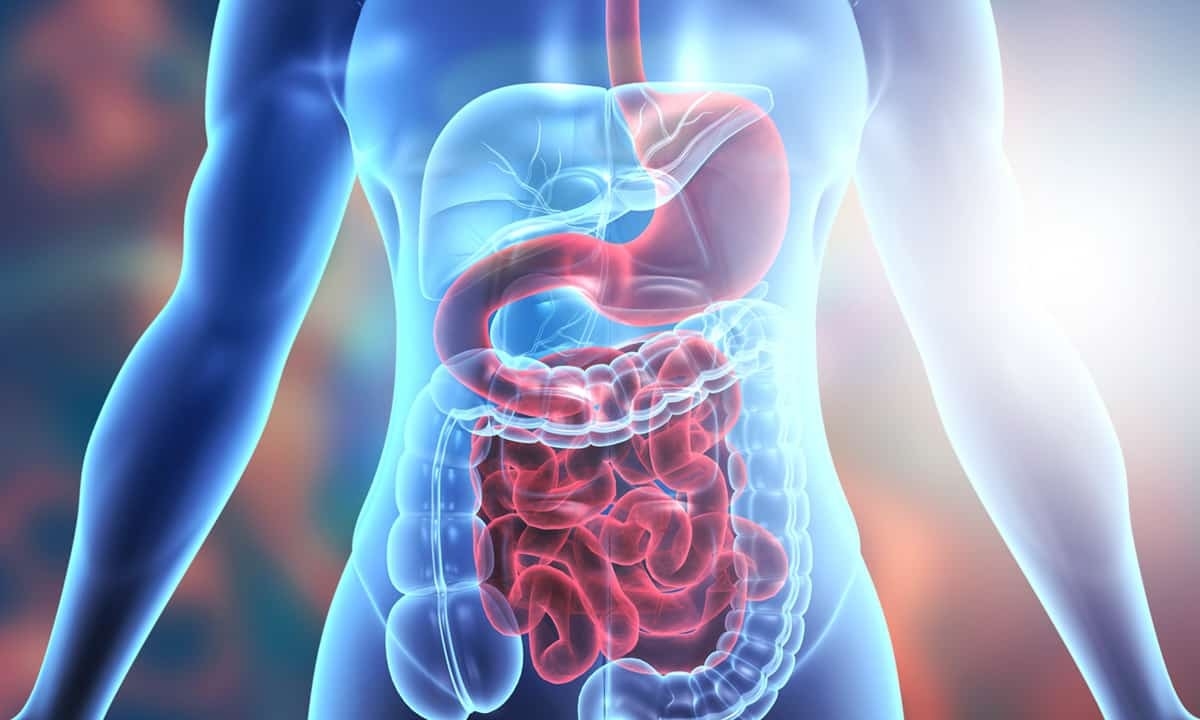
A healthy digestive system is more than just the absence of stomach pain or bloating. It affects how well our body absorbs nutrients, maintains a balanced gut microbiome, and even impacts mental health. The digestive system is responsible for breaking down food, absorbing nutrients, and eliminating waste.
When your digestive system is in top condition, your body can function optimally. However, issues like acid reflux, constipation, irritable bowel syndrome (IBS), and gastritis can cause severe discomfort and even lead to more complex health problems.
Key Digestive Health Benefits:
-
Improved Nutrient Absorption: A healthy gut absorbs more nutrients, contributing to better overall health.
-
Stronger Immune System: 70-80% of the immune system is located in the digestive tract, making gut health essential for disease prevention.
-
Mental Well-being: Studies show a strong link between gut health and mental health, with the gut often being referred to as the “second brain.”
How to Maintain Digestive Health
There are several lifestyle changes and dietary habits you can adopt to keep your digestive system running smoothly.
1. Eat a Fiber-Rich Diet
A diet rich in fiber is essential for digestive health. Fiber helps regulate bowel movements and prevent constipation. It also promotes the growth of healthy gut bacteria.
Foods High in Fiber:
-
Whole grains
-
Vegetables (like broccoli, carrots, and spinach)
-
Fruits (apples, bananas, and berries)
-
Legumes (beans, lentils, and peas)
Including these fiber-rich foods in your daily diet will help keep your digestive system healthy and functioning properly.
2. Stay Hydrated
Drinking plenty of water is crucial for digestion. Water helps dissolve fats and soluble fiber, allowing for smoother bowel movements. It also aids in the absorption of nutrients in the intestines.
Aim to drink at least 8 cups of water a day to keep your digestive system functioning well. If you are active or live in a hot climate, you may need more.
3. Include Probiotics and Prebiotics
Probiotics are beneficial bacteria that help maintain a healthy balance in your gut. Prebiotics, on the other hand, are food for these good bacteria. Incorporating both into your diet will support a strong gut microbiome.
Probiotic-Rich Foods:
-
Yogurt
-
Sauerkraut
-
Kimchi
-
Kefir
Prebiotic-Rich Foods:
-
Garlic
-
Onions
-
Bananas
-
Asparagus
Adding these to your meals can boost your gut health and overall digestion.
4. Practice Mindful Eating
Eating slowly and chewing your food thoroughly can greatly improve digestion. When you eat too quickly, your body doesn’t have enough time to signal your brain that you’re full, which can lead to overeating and indigestion.
Taking time to enjoy your meals and chewing food properly can aid in breaking down food particles and improve nutrient absorption.
5. Exercise Regularly
Regular physical activity helps stimulate the muscles in your digestive system, promoting healthy bowel movements. Exercise also improves blood flow to the digestive organs, enhancing overall function.
Aim for at least 30 minutes of moderate exercise most days of the week. Activities like walking, jogging, swimming, and yoga can help keep your digestive system in top shape.
Common Digestive Disorders
While everyone experiences occasional digestive discomfort, persistent issues may indicate an underlying digestive disorder. Some of the most common digestive disorders include:
1. Acid Reflux (GERD)
Gastroesophageal reflux disease (GERD) occurs when stomach acid flows back into the esophagus, causing symptoms like heartburn, chest pain, and regurgitation. Avoiding trigger foods, such as spicy dishes and acidic fruits, can help manage GERD.
2. Irritable Bowel Syndrome (IBS)
IBS is a functional gastrointestinal disorder that can cause symptoms like abdominal pain, bloating, diarrhea, and constipation. While the exact cause is unknown, stress and certain foods can trigger IBS flare-ups. Working with a healthcare provider to identify triggers can help manage the condition.
3. Celiac Disease
Celiac disease is an autoimmune disorder where the body reacts to gluten, a protein found in wheat, barley, and rye. This reaction causes inflammation and damage to the small intestine, affecting nutrient absorption. Individuals with celiac disease must adhere to a strict gluten-free diet.
4. Gallstones
Gallstones are hardened deposits in the gallbladder that can block bile flow, leading to pain, nausea, and digestive disturbances. In some cases, gallstones may require surgery to remove the gallbladder.
5. Inflammatory Bowel Disease (IBD)
IBD includes Crohn’s disease and ulcerative colitis, both of which cause chronic inflammation in the digestive tract. These conditions can lead to severe abdominal pain, diarrhea, and malnutrition. Early diagnosis and treatment can help manage IBD effectively.

Tips for Managing Digestive Health
While certain digestive issues may require medical treatment, there are several steps you can take to reduce the risk of developing digestive disorders.
1. Avoid Smoking
Smoking can damage the digestive tract, increasing the risk of acid reflux, ulcers, and pancreatic diseases. Quitting smoking can significantly improve digestive health.
2. Manage Stress
Chronic stress can disrupt the digestive process, leading to symptoms like indigestion, heartburn, and IBS. Practicing stress management techniques such as meditation, yoga, or deep breathing exercises can benefit your gut health.
3. Limit Processed Foods
Highly processed foods often contain artificial additives, unhealthy fats, and low-quality ingredients that can harm the digestive system. Opt for fresh, whole foods whenever possible to support digestive health.
4. Eat Smaller, More Frequent Meals
Instead of consuming large meals, try eating smaller portions throughout the day. This can prevent overeating and help maintain steady digestion.
FAQs about Digestive Health
1. How can I improve my digestion naturally?
To improve digestion naturally, focus on eating fiber-rich foods, staying hydrated, and incorporating probiotics into your diet. Regular exercise and mindful eating can also promote healthy digestion.
2. What are the symptoms of an unhealthy gut?
Signs of an unhealthy gut may include bloating, constipation, diarrhea, indigestion, and frequent gas. If these symptoms persist, it’s important to consult with a healthcare provider.
3. Can stress affect digestion?
Yes, stress can have a significant impact on digestion. It can lead to conditions such as acid reflux, IBS, and ulcers. Managing stress is essential for maintaining a healthy digestive system.
4. How can probiotics improve my digestive health?
Probiotics are beneficial bacteria that help balance the gut microbiome, aiding in digestion and reducing symptoms of digestive disorders. They can be found in foods like yogurt and fermented products.
Conclusion
Taking care of your digestive health is vital for maintaining overall well-being. By adopting healthy eating habits, staying active, and managing stress, you can support your digestive system and reduce the risk of digestive issues. If you’re experiencing persistent digestive discomfort, consult a healthcare professional for further guidance.
Remember, a healthy gut is a happy gut!