

The Ultimate Healthy Diet Plan: A Guide to Nourish Your Body and Boost Your Health
A healthy diet is the foundation of a long and vibrant life. It’s not just about eating the right foods but also about nourishing your body with a balance of essential nutrients to help it perform at its best. In this article, we’ll explore what a healthy diet plan looks like, how to create one that fits your lifestyle, and why it’s essential for overall well-being.

Why a Healthy Diet Plan is Essential
A healthy diet plan offers numerous benefits for both your body and mind. By focusing on nutrient-dense foods, you provide your body with the vitamins, minerals, and energy it needs to function properly. A well-balanced diet helps to reduce the risk of chronic diseases, maintain a healthy weight, improve mood, and even boost brain function.
Key Benefits of a Healthy Diet:
-
Weight Management: Helps maintain a healthy weight and prevents obesity.
-
Improved Digestion: Supports a healthy gut by providing fiber and other essential nutrients.
-
Stronger Immune System: Enhances your body’s ability to fight off infections and illnesses.
-
Mental Clarity: Nutrient-rich foods can improve focus, memory, and overall cognitive function.
Building a Healthy Diet Plan
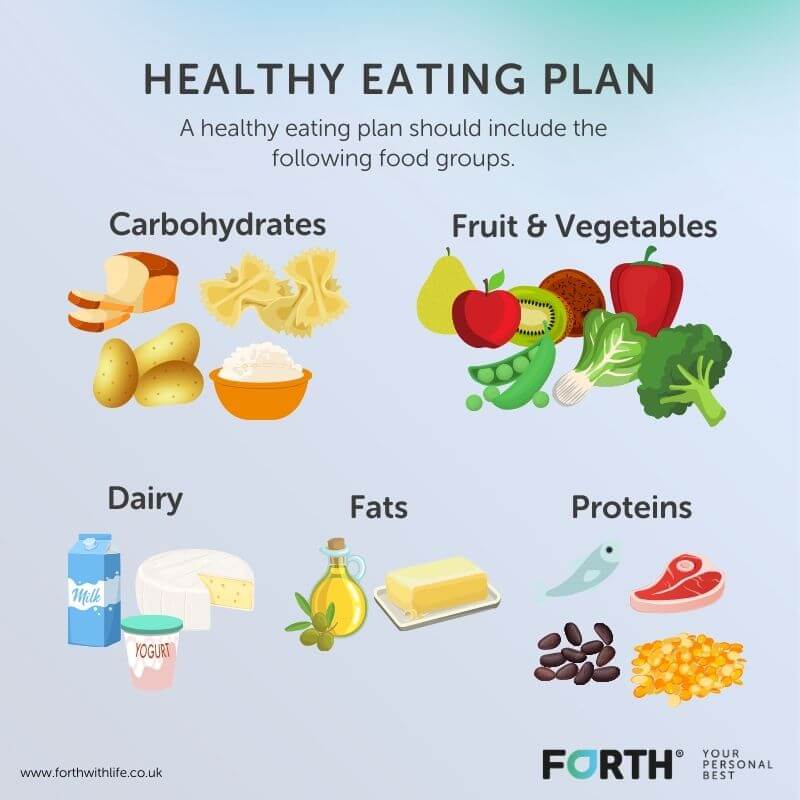
Creating a healthy diet plan that works for you requires balancing different food groups and ensuring you get the right amount of nutrients. Here’s how to build a plan that suits your personal goals.
1. Focus on Whole Foods
When building a diet plan, prioritize whole foods over processed and refined options. Whole foods like fruits, vegetables, lean meats, and whole grains are packed with nutrients and free from harmful additives. Processed foods, on the other hand, tend to be high in unhealthy fats, sugars, and sodium.
-
Example: Choose fresh vegetables and fruits instead of canned versions with added preservatives.
2. Incorporate Protein into Every Meal
Protein is essential for muscle growth, tissue repair, and a healthy metabolism. It also helps keep you feeling full longer, reducing the temptation to snack. Include a variety of protein sources in your meals, such as lean meats, fish, eggs, legumes, and plant-based options like tofu and tempeh.
-
Tip: For vegetarians, beans, lentils, and quinoa are excellent protein sources.
3. Choose Healthy Fats
Not all fats are created equal. Healthy fats, like those found in avocados, nuts, seeds, and olive oil, provide essential fatty acids that promote heart health and improve brain function. Avoid trans fats and excessive saturated fats, commonly found in processed foods and fried items.
-
Good sources: Olive oil, avocados, almonds, and flaxseeds.
4. Load Up on Fiber
Fiber plays a crucial role in digestion and helps to regulate blood sugar levels. It also helps with satiety, reducing hunger between meals. Include high-fiber foods in your diet, such as whole grains, fruits, vegetables, and legumes.
-
Tip: Add fiber-rich foods like beans, sweet potatoes, and berries to every meal.
5. Hydrate Your Body
Water is essential for digestion, nutrient absorption, and the regulation of body temperature. Aim to drink at least 8 cups of water a day, or more if you are physically active or live in a hot climate. Drinking water before meals can also help control your appetite.
-
Hydration tip: Add a slice of lemon or cucumber to your water for extra flavor and vitamin C.
6. Control Portion Sizes
Even healthy foods can contribute to weight gain if you overeat. Control portion sizes to avoid consuming excess calories. Using smaller plates or measuring your food can help you practice portion control.
-
Tip: Mindful eating—eating slowly and without distractions—can help you listen to your body’s hunger cues.
A Sample Healthy Diet Plan
Here’s a simple, balanced day of eating to get you started with a healthy diet plan:
Breakfast:
-
Oats with almond milk, chia seeds, and a handful of berries.
-
Green tea with lemon.
Mid-Morning Snack:
-
A handful of unsalted almonds or a small serving of Greek yogurt.
Lunch:
-
Grilled chicken breast or a vegetarian salad with mixed greens, tomatoes, cucumbers, avocado, and olive oil dressing.
-
Whole grain bread or quinoa.
Afternoon Snack:
-
Sliced carrots or celery sticks with hummus.
Dinner:
-
Baked salmon or a plant-based protein option like tofu.
-
Steamed broccoli and sweet potato.
Dessert (optional):
-
A small piece of dark chocolate or fruit salad.
Tips for Sticking to Your Healthy Diet Plan
Adopting a new way of eating can be challenging, but with the right mindset and strategies, you can stick to your healthy diet plan. Here are a few tips:
1. Plan Your Meals Ahead of Time
Meal planning is one of the most effective ways to stay on track with your diet. Spend a few hours each week preparing your meals and snacks. This way, you’ll have healthy options readily available and won’t be tempted by unhealthy choices.
2. Keep Healthy Snacks on Hand
If you often get hungry between meals, make sure you have nutritious snacks readily available. Snacks like fruit, nuts, or vegetable sticks with hummus can keep your energy levels stable and curb cravings.
3. Enjoy Treats in Moderation
While a healthy diet is important, it’s also okay to indulge in your favorite treats occasionally. The key is moderation—enjoy a small portion of your favorite dessert or snack without overdoing it.
-
Tip: Opt for a healthier version of your favorite treat when possible (e.g., baked chips instead of fried).
Frequently Asked Questions (FAQs)
1. How do I know if I’m eating enough?
The goal is to feel satisfied after meals without feeling overly full. If you’re still hungry, consider adding more protein or fiber to your meals to help keep you fuller for longer.
2. Can I follow a healthy diet plan if I have dietary restrictions?
Yes! There are plenty of options available for people with dietary restrictions. Whether you’re vegan, gluten-free, or have food allergies, you can create a balanced diet plan using substitute ingredients that meet your needs.
3. How can I make healthy eating a habit?
Start by making small changes to your current eating habits. Gradually replace processed foods with whole foods, cook at home more often, and find healthy alternatives to your favorite snacks. Consistency is key!
4. Should I count calories on a healthy diet plan?
While calorie counting can be useful, it’s not essential for everyone. Instead of focusing solely on calories, prioritize the quality of your food and aim for a well-balanced diet with nutrient-dense choices.
5. How can I stay motivated on my healthy eating journey?
Staying motivated requires setting realistic goals and tracking your progress. Celebrate your successes, no matter how small, and find a support system to keep you accountable.
Conclusion
Creating a healthy diet plan is not about following strict rules or restrictions—it’s about making balanced and informed choices that work for you. By focusing on whole foods, balanced nutrition, and portion control, you can nourish your body and achieve your health goals. Remember, the best diet is one that you can sustain for the long term. Stay consistent, be patient with yourself, and enjoy the process of becoming a healthier version of yourself.
For more tips on healthy living, check out our Health and Wellness Resources.