

Heart Health Tips: Essential Strategies for a Stronger Heart
Heart health is one of the most critical aspects of overall well-being. With heart disease being a leading cause of death worldwide, maintaining a healthy heart should be a priority for everyone. Fortunately, there are several heart health tips you can incorporate into your daily routine to improve your heart’s function and reduce the risk of cardiovascular diseases.
In this article, we’ll cover practical, evidence-backed tips for better heart health. Whether you’re looking to prevent heart disease or simply want to boost your cardiovascular wellness, these tips will guide you toward a healthier lifestyle.
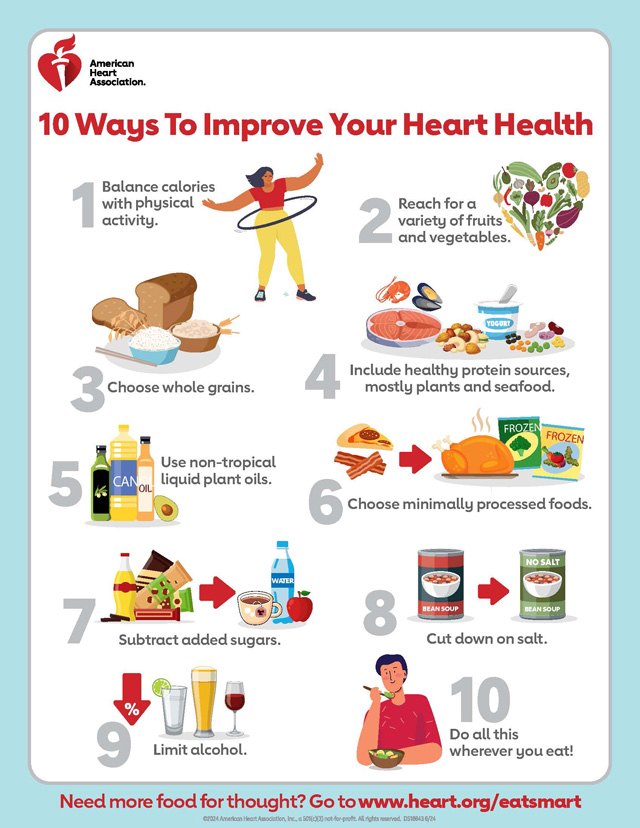
1. Eat a Heart-Healthy Diet
A well-balanced, nutritious diet plays a crucial role in keeping your heart healthy. The foods you choose directly impact cholesterol levels, blood pressure, and weight—all of which affect heart health.
Focus on Whole Foods
Aim to consume a diet rich in fruits, vegetables, whole grains, and lean proteins. These foods provide essential nutrients and help maintain a healthy weight, which reduces the risk of heart disease.
Include Healthy Fats
Healthy fats, such as monounsaturated fats found in olive oil and omega-3 fatty acids from fish, can help reduce inflammation and lower cholesterol levels. These fats are heart-friendly and support overall cardiovascular health.
Limit Processed Foods
Avoid processed foods high in unhealthy fats, sugars, and salt. These foods contribute to weight gain, high cholesterol, and high blood pressure, which can all damage the heart over time. Instead, focus on whole foods that support heart health.
For more tips on nutrition, visit our heart health nutrition guide.
2. Stay Physically Active
Regular physical activity is one of the most effective ways to protect your heart. Exercise improves circulation, lowers blood pressure, and strengthens the heart muscle. It also helps with weight management, reducing the risk of heart disease.
Aim for at Least 150 Minutes of Exercise per Week
The American Heart Association recommends at least 150 minutes of moderate-intensity aerobic activity or 75 minutes of vigorous activity each week. Activities like walking, cycling, swimming, or running can greatly benefit your heart.
Add Strength Training
Incorporating strength training exercises, such as lifting weights, can improve cardiovascular health by building muscle mass, increasing metabolism, and enhancing circulation.
Make Exercise Enjoyable
To make exercise a consistent habit, choose activities you enjoy. Whether it’s dancing, hiking, or playing sports, staying active doesn’t have to be a chore.
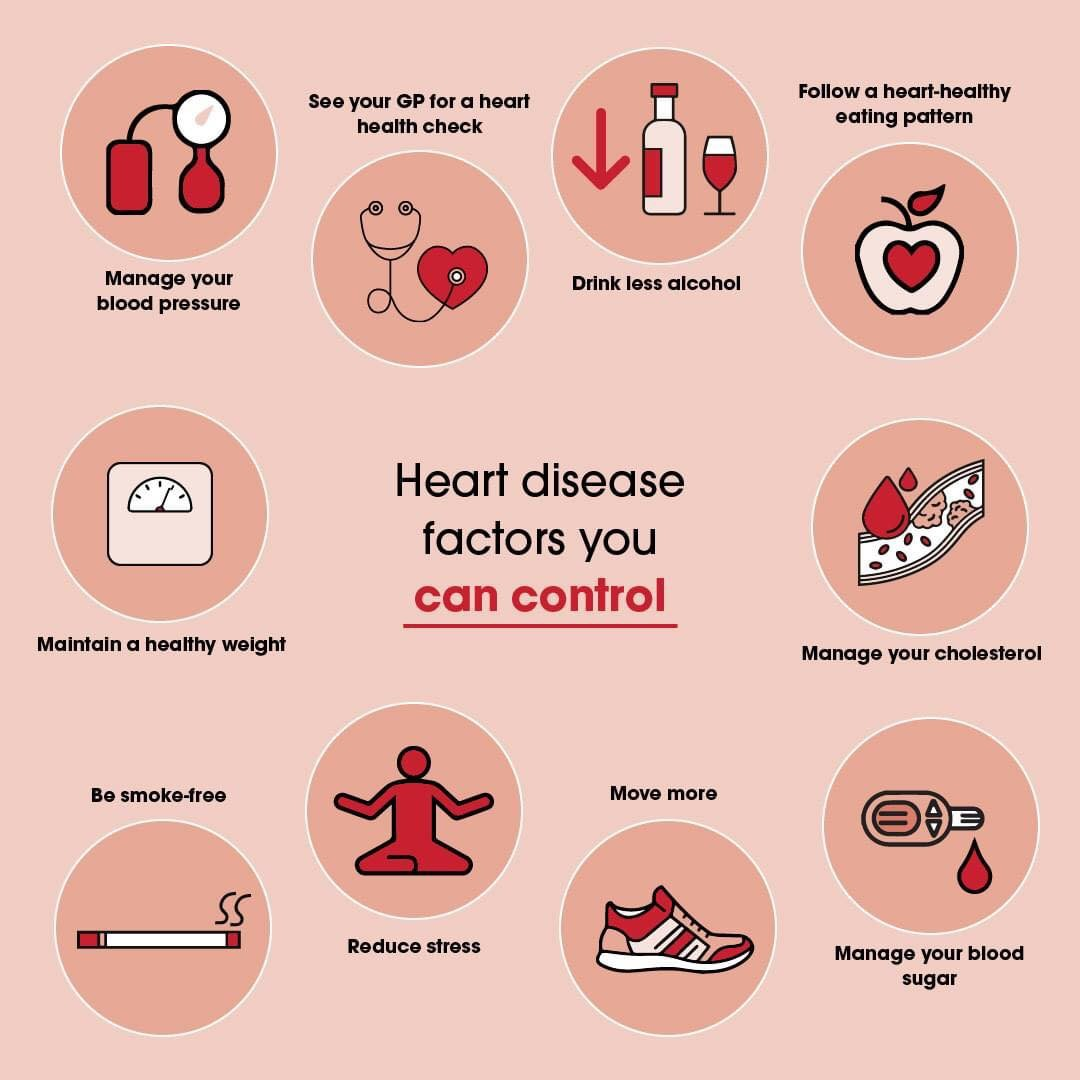
3. Maintain a Healthy Weight
Being overweight or obese increases the risk of developing heart disease. Excess weight places additional strain on the heart and can lead to conditions like high blood pressure, high cholesterol, and diabetes.
Focus on Sustainable Weight Loss
To maintain a healthy weight, aim for gradual, sustainable weight loss through a combination of healthy eating and regular exercise. Avoid crash diets, which are often ineffective and unsustainable in the long term.
Track Your Progress
Use tools like fitness apps or journals to track your weight loss and monitor your eating habits. This can help you stay on track and make adjustments as needed.
4. Manage Stress Effectively
Chronic stress can have a significant impact on your heart health. It can lead to high blood pressure, inflammation, and unhealthy behaviors like overeating or smoking.
Practice Stress-Reduction Techniques
Incorporate stress-reducing activities into your daily routine, such as meditation, deep breathing exercises, and yoga. These practices help calm the nervous system and reduce the harmful effects of stress on your heart.
Take Time for Yourself
Make time each day to relax and unwind. Whether it’s through reading, taking a walk, or spending time with loved ones, managing stress is essential for maintaining heart health.
For more on stress management, check out our stress-relief tips.
5. Don’t Smoke
Smoking is one of the most significant risk factors for heart disease. The toxins in cigarettes damage blood vessels, raise blood pressure, and reduce oxygen in the blood. Quitting smoking is one of the best things you can do for your heart.
Seek Support to Quit Smoking
If you’re a smoker, seek help from a healthcare provider to create a quitting plan. Support from counseling, medications, or nicotine replacement therapy can increase your chances of success.
Avoid Secondhand Smoke
Even if you don’t smoke, avoid exposure to secondhand smoke, which can still increase your risk of heart disease.
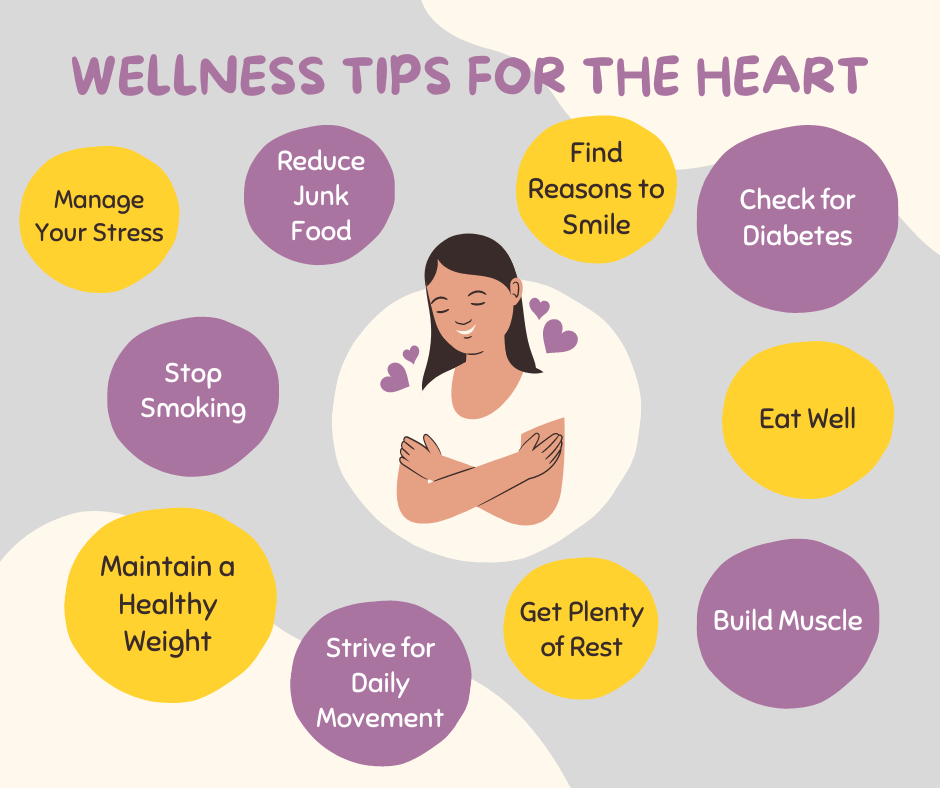
6. Monitor Your Blood Pressure
High blood pressure (hypertension) is often referred to as the “silent killer” because it doesn’t always show symptoms. However, it can cause significant damage to the heart and blood vessels over time.
Get Regular Check-Ups
Regularly monitor your blood pressure, either at home or through routine visits to your healthcare provider. If your blood pressure is high, work with your doctor to develop a plan to manage it through lifestyle changes or medication.
Reduce Sodium Intake
Limiting your intake of sodium (salt) can help lower blood pressure. Choose low-sodium options and season food with herbs and spices instead of salt.
For more tips on blood pressure management, visit our blood pressure guide.
7. Get Enough Sleep
Adequate sleep is vital for heart health. Poor sleep is linked to an increased risk of heart disease, high blood pressure, and obesity.
Aim for 7-9 Hours of Sleep per Night
Aim for 7 to 9 hours of quality sleep each night. This helps your body recover, reduces stress, and regulates the hormones that affect heart health.
Improve Sleep Hygiene
Maintain a consistent sleep schedule, avoid caffeine late in the day, and create a calming bedtime routine to improve sleep quality.
8. Limit Alcohol Consumption
Excessive alcohol consumption can raise blood pressure, increase the risk of heart disease, and contribute to weight gain.
Stick to Moderate Drinking
For heart health, it’s important to drink alcohol in moderation. The American Heart Association recommends no more than one drink per day for women and two drinks per day for men.
Consider Alcohol-Free Days
Having regular alcohol-free days throughout the week can help reduce the negative effects of alcohol on your heart.
9. Get Regular Health Check-Ups
Routine check-ups are essential for monitoring your overall health and identifying potential heart problems early on. These visits can help catch issues like high cholesterol, diabetes, or high blood pressure before they become serious problems.
Talk to Your Doctor About Heart Health
Discuss your heart health with your healthcare provider, especially if you have a family history of heart disease or other risk factors. They can recommend the best lifestyle changes or treatments to help you protect your heart.
Heart Health FAQs
1. How can I lower my cholesterol levels naturally?
To lower cholesterol naturally, focus on eating a diet high in fiber, healthy fats, and antioxidants. Regular exercise, weight management, and limiting trans fats can also help improve cholesterol levels.
2. What are some heart-healthy snacks?
Healthy snacks for the heart include nuts, seeds, fresh fruits, vegetables, and whole-grain crackers. These snacks are nutrient-dense and help maintain healthy blood sugar and cholesterol levels.
3. What should I avoid for better heart health?
Avoid processed foods, sugary drinks, trans fats, and high-sodium foods. These contribute to weight gain, high blood pressure, and high cholesterol, all of which negatively affect heart health.
Conclusion
Maintaining a healthy heart is essential for living a long and fulfilling life. By following these heart health tips, including eating a balanced diet, staying active, and managing stress, you can significantly reduce the risk of heart disease and improve your overall cardiovascular health.
Remember, small changes can make a big difference over time. Start incorporating these heart-healthy habits into your routine today, and your heart will thank you for years to come.
