

The Ultimate Guide to Protein Powder: Benefits, Types, and How to Choose the Best One for You
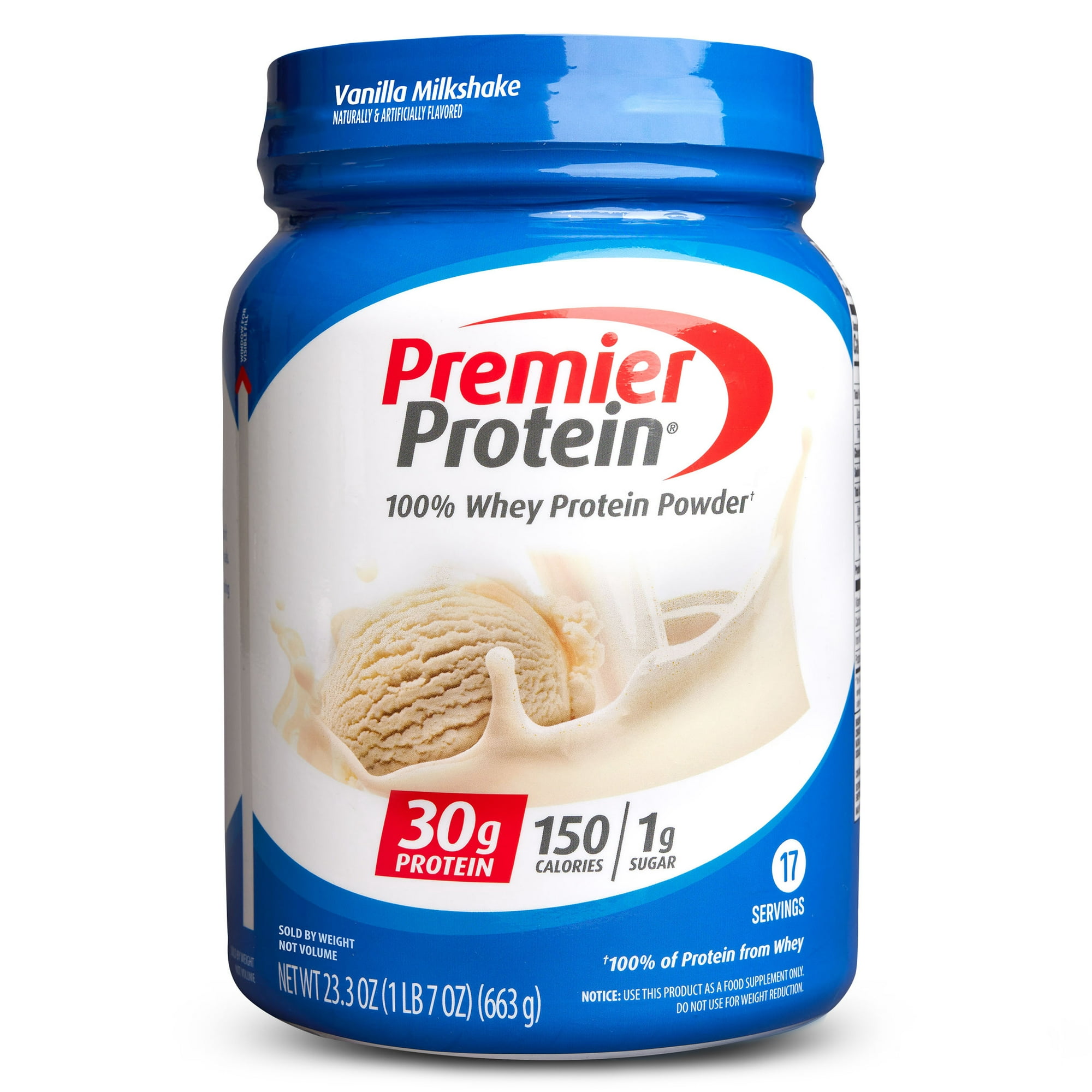
Protein is an essential nutrient for the body, contributing to muscle growth, repair, and overall health. Whether you’re an athlete, bodybuilder, or just someone looking to maintain a balanced diet, protein powder can be a convenient and effective way to meet your protein needs. In this comprehensive guide, we’ll explore the different types of protein powders, their benefits, and how to choose the best one for your specific goals.
Why Protein is Important for Your Health
Protein plays a critical role in various bodily functions, from building and repairing tissues to supporting immune health. It also helps in producing enzymes and hormones that regulate important functions in the body. Whether you’re recovering from an injury, building muscle mass, or just aiming for overall health, protein is essential for everyone.
-
Supports muscle growth: Protein is necessary for repairing and building muscle tissues.
-
Boosts metabolism: It helps in the production of hormones that regulate metabolism.
-
Promotes satiety: Protein helps keep you feeling full for longer, which can be helpful for weight management.
Types of Protein Powder
When it comes to protein powder, there are several options to choose from, each with its unique benefits. Here are the most common types of protein powders:
1. Whey Protein
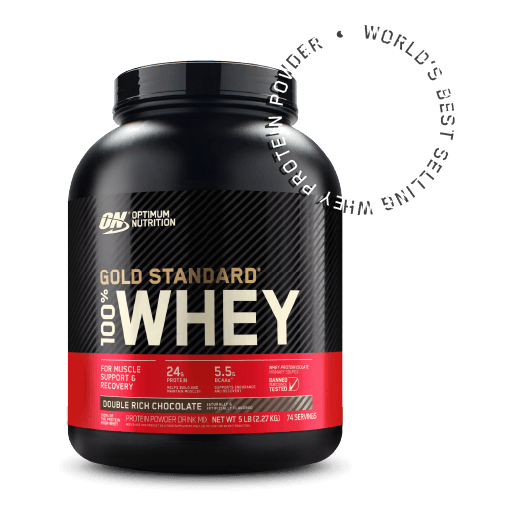
Whey protein is one of the most popular protein supplements available. Derived from milk, it is a complete protein that contains all nine essential amino acids, making it an excellent choice for muscle growth and repair. Whey protein is fast-digesting, which means it’s quickly absorbed by the body to support muscle recovery after a workout.
-
Benefits: High in branched-chain amino acids (BCAAs), which are important for muscle recovery.
-
Ideal for: Athletes, bodybuilders, and those looking to build lean muscle mass.
2. Casein Protein
Like whey protein, casein is derived from milk but digests at a slower rate. This slow-digesting nature makes casein a great option to take before bed, as it provides a steady release of amino acids throughout the night, supporting muscle repair while you sleep.
-
Benefits: Provides a sustained release of protein, keeping you feeling full for longer.
-
Ideal for: Those looking for a protein source that lasts longer and supports muscle recovery overnight.
3. Plant-Based Proteins
For those who follow a vegan or vegetarian diet, plant-based proteins are a great alternative. Common sources include peas, rice, hemp, and soy. While plant-based proteins may not always contain all nine essential amino acids, many brands offer a blend of different plant proteins to create a complete profile.
-
Benefits: Suitable for vegans and vegetarians; often easier on digestion than dairy-based proteins.
-
Ideal for: Vegans, vegetarians, or those with lactose intolerance.
4. Egg White Protein
Egg white protein is a high-quality protein derived from the whites of eggs. It’s low in fat and carbohydrates while offering a complete amino acid profile. Egg white protein is often used in muscle-building supplements due to its high bioavailability and digestibility.
-
Benefits: Low in fat and carbs, making it ideal for those looking to maintain a lean physique.
-
Ideal for: Anyone seeking a high-quality, low-fat protein source.
5. Collagen Protein
Collagen protein is made from animal connective tissues and is commonly used for improving skin elasticity, joint health, and gut health. While it’s not as rich in muscle-building amino acids as whey or casein, it can complement other protein sources to improve overall wellness.
-
Benefits: Supports skin health, joint repair, and gut health.
-
Ideal for: Individuals looking to improve joint health, skin elasticity, and gut function.
How to Choose the Best Protein Powder for You
Choosing the right protein powder depends on your specific goals, dietary preferences, and any potential allergies or intolerances. Here are a few factors to consider when selecting a protein powder:
1. Your Dietary Preferences
If you follow a vegan or lactose-free diet, a plant-based protein or egg white protein may be your best option. However, if you have no dietary restrictions, whey protein can be a great choice for its fast digestion and complete amino acid profile.
2. Your Fitness Goals
-
Muscle Building: Opt for whey protein or egg white protein, as they’re rich in BCAAs and support muscle growth.
-
Weight Loss: If weight loss is your goal, a high-protein, low-carb option like casein protein can help control hunger and support fat loss.
3. Digestibility and Allergies
If you have a sensitive stomach or are lactose intolerant, choosing plant-based protein or egg white protein may be easier on your digestive system. Whey protein can cause digestive discomfort in some individuals, so it’s important to find the right type for your body.
Benefits of Using Protein Powder
Incorporating protein powder into your diet can provide numerous benefits, from supporting muscle recovery to improving overall health. Here are some of the top benefits of using protein powder:
-
Convenience: Protein powder is quick and easy to prepare, making it a convenient option for busy lifestyles.
-
Improved Muscle Recovery: Protein is essential for repairing muscle fibers after a workout, speeding up recovery time.
-
Weight Management: Protein helps regulate appetite and boosts metabolism, which can aid in weight loss and muscle preservation.
How to Use Protein Powder
Incorporating protein powder into your daily routine is simple. Here are some ideas for how to use it:
1. Post-Workout Shake
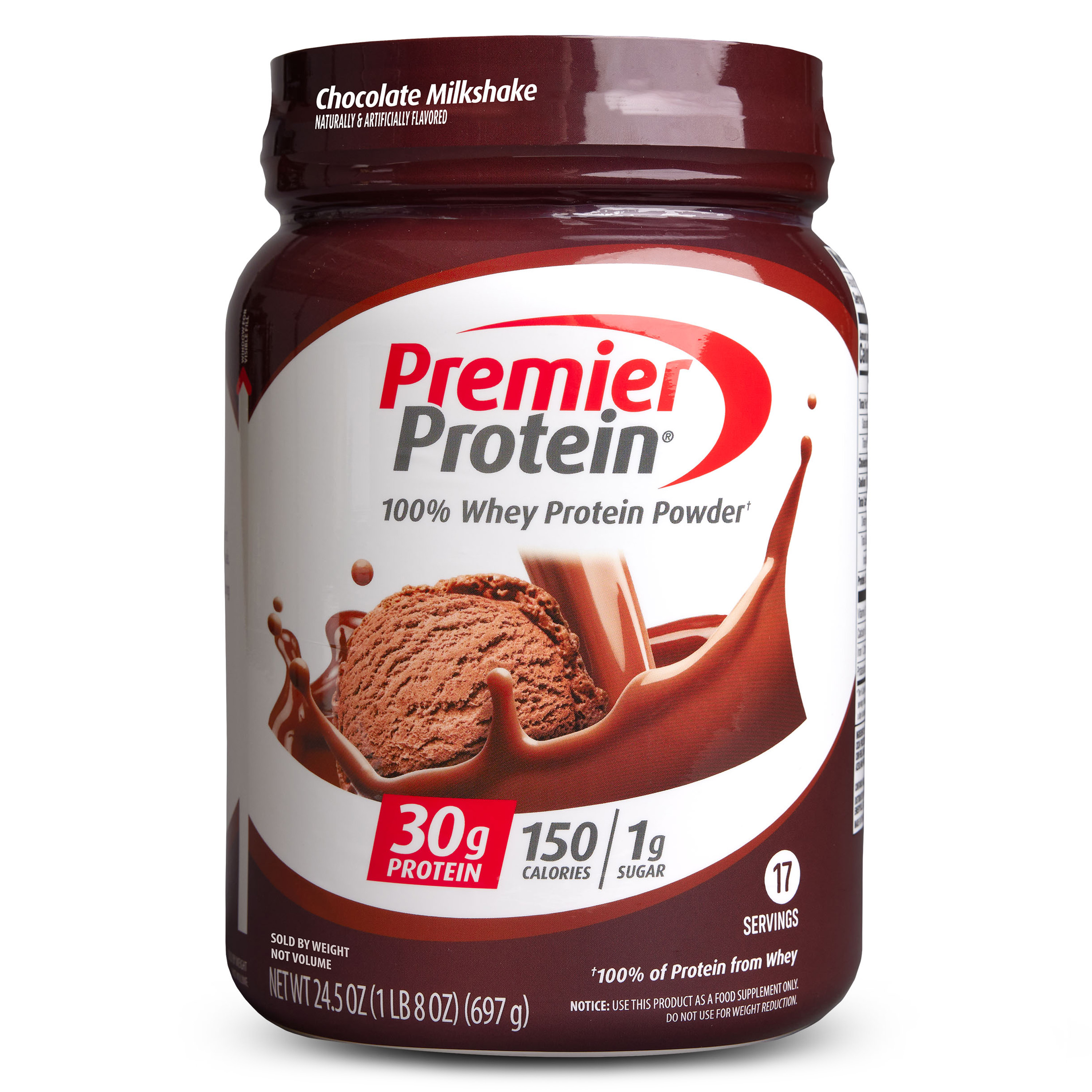
After a workout, your muscles need nutrients to recover. Mixing a scoop of whey protein or plant-based protein with water, milk, or a dairy-free alternative can help replenish what your body needs.
2. Add to Smoothies
Protein powder is a great addition to any smoothie. Simply blend it with fruits, vegetables, and some almond milk or yogurt for a nutritious, high-protein meal replacement.
3. Bake with Protein Powder
For those who enjoy baking, protein powder can be incorporated into healthy recipes like protein bars, pancakes, or muffins to boost your protein intake without compromising taste.
FAQs About Protein Powder
1. How much protein do I need per day?
The amount of protein you need depends on factors like your age, gender, activity level, and fitness goals. For most people, about 0.8 to 1 gram of protein per kilogram of body weight is sufficient. However, athletes or bodybuilders may need more.
2. Can I have protein powder if I’m trying to lose weight?
Yes! Protein powder can help with weight loss by keeping you feeling fuller for longer and reducing cravings. Opt for lower-calorie options and avoid sugary protein powders.
3. Is protein powder safe to use every day?
Yes, protein powder is generally safe for daily use, as long as you don’t exceed your daily protein needs. It’s important to balance your protein intake with a well-rounded diet and not rely solely on supplements.
4. Can I take protein powder before bed?
Taking casein protein before bed can be beneficial as it digests slowly, providing your muscles with a steady supply of amino acids throughout the night. However, you can also opt for whey protein if you prefer.
Conclusion
Protein powder is a convenient, effective, and versatile supplement that can enhance your health, fitness, and overall well-being. With so many types available, it’s essential to choose the one that fits your dietary preferences and fitness goals. Whether you’re building muscle, losing weight, or simply aiming for better health, protein powder is a powerful tool to support your journey.
For more information and to find the best protein powder for your needs, visit our health and fitness resources.