

Stress Relief Methods: Effective Ways to Manage Stress and Reclaim Your Peace of Mind
Stress has become a common part of everyday life for many people. Whether it’s due to work pressure, family obligations, or personal struggles, managing stress effectively is essential for maintaining both mental and physical health. Fortunately, numerous stress relief methods are available that can help you cope with stress, reduce anxiety, and improve your overall well-being.
In this article, we will explore various stress relief techniques that can make a real difference in your life. From simple breathing exercises to more advanced mindfulness practices, there’s a method that suits everyone. With the right approach, you can reduce stress and feel more balanced.
:max_bytes(150000):strip_icc()/3145195-article-tips-to-reduce-stress-5a8c75818e1b6e0036533c47-922c3155e9c846eaa7447c75030b2c13.png)
1. Breathing Exercises: A Simple Yet Powerful Technique
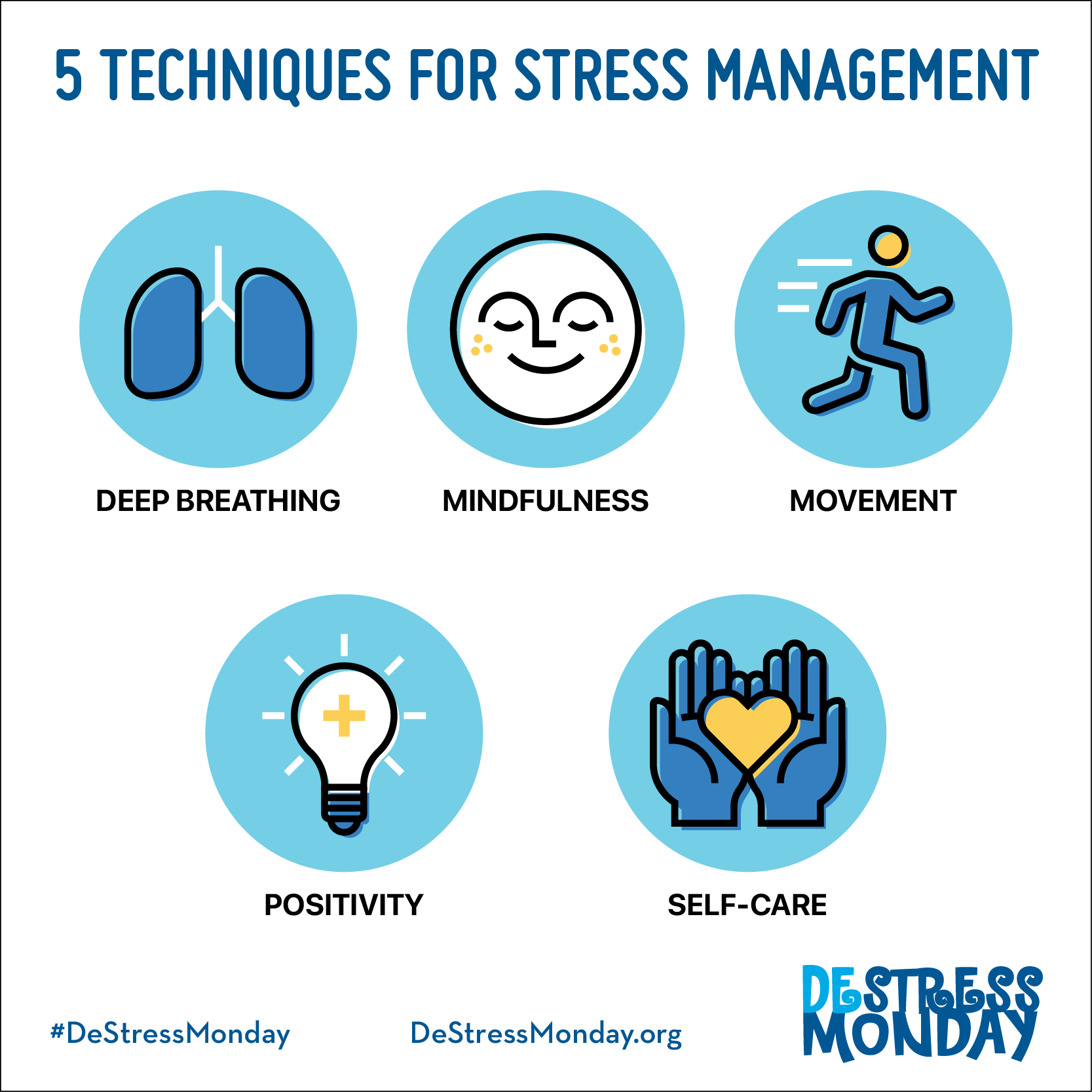
One of the most effective and simple stress relief methods is deep breathing. When you’re stressed, your body enters a “fight or flight” mode, which leads to shallow breathing. By practicing deep breathing, you can activate your body’s relaxation response and bring your stress levels down.
Box breathing, also known as square breathing, is a popular technique. Inhale for a count of four, hold for four, exhale for four, and pause for four before repeating. This method can calm the mind and regulate emotions quickly.
2. Exercise: Move Your Body to Relieve Stress
Physical activity is one of the most powerful stress relief techniques. Regular exercise releases endorphins, the body’s natural mood boosters, which help improve your mood and reduce stress. Even a short walk, jog, or yoga session can significantly reduce feelings of anxiety.
Moreover, exercise helps in relieving muscle tension and improving sleep, both of which are affected by stress. Aim for at least 30 minutes of moderate exercise most days of the week to experience its full benefits.
3. Mindfulness and Meditation: Train Your Mind to Focus
Mindfulness and meditation are powerful stress relief methods that involve focusing your attention on the present moment. These practices help you become more aware of your thoughts and emotions without judgment, allowing you to better manage stress.
Meditation can involve simple techniques such as sitting in silence for a few minutes, practicing guided imagery, or focusing on your breath. Mindfulness can be practiced throughout your day by simply bringing your attention to the present moment, whether you’re eating, walking, or interacting with others.
Research shows that practicing mindfulness regularly can reduce stress and improve emotional resilience. Apps like Headspace and Calm are great resources for beginners who want to start a daily meditation practice.
4. Social Support: Connecting with Others
Having a strong support system is essential when dealing with stress. Whether it’s friends, family, or a support group, connecting with others can provide comfort and perspective during difficult times. Talking it out with someone you trust can help release pent-up emotions and reduce stress.
In addition, social interactions, such as spending time with loved ones or engaging in enjoyable activities with friends, can act as a distraction from stress and provide a sense of belonging.
Benefits of Social Support:
-
Reduces feelings of isolation
-
Increases feelings of happiness and well-being
-
Provides practical help and emotional reassurance
5. Time Management: Stay Organized to Avoid Overwhelm
A common source of stress is feeling overwhelmed by the number of tasks and responsibilities on your plate. Time management is an essential stress relief technique that can help you stay organized and prevent burnout.
By setting clear priorities, breaking tasks into smaller steps, and delegating responsibilities when possible, you can reduce feelings of stress related to deadlines and obligations. Using tools like planners or task management apps (e.g., Trello or Todoist) can help you stay on top of tasks and prevent last-minute rushes.
Time Management Tips:
-
Set realistic goals for each day
-
Avoid multitasking and focus on one task at a time
-
Schedule regular breaks to recharge
6. Self-Care: Prioritize Your Well-Being
Self-care is an essential part of managing stress. When life gets hectic, it’s easy to neglect your own needs, but taking time to relax and recharge is vital. Engaging in activities that bring you joy and relaxation, such as reading, taking a warm bath, or enjoying a hobby, can reduce stress and improve overall health.
Self-care also includes getting enough sleep, eating a balanced diet, and staying hydrated. These habits contribute to a stronger mind and body, making it easier to cope with stress when it arises.
7. Cognitive Behavioral Therapy (CBT): Reframe Your Thoughts
Cognitive Behavioral Therapy (CBT) is a well-researched form of therapy that helps individuals manage stress by identifying and changing negative thought patterns. Stress often arises from distorted thinking, such as overgeneralizing or catastrophizing. CBT helps people recognize these patterns and replace them with healthier, more balanced perspectives.
If you struggle with stress or anxiety, CBT can be an effective method to reframe your thinking and develop coping skills. You can work with a therapist or use self-help resources to learn CBT techniques.
8. Aromatherapy: Harnessing the Power of Scents
Essential oils have been used for centuries to promote relaxation and relieve stress. Aromatherapy involves using scents from essential oils like lavender, chamomile, and peppermint to enhance your mood and calm your mind.
You can use essential oils in diffusers, add them to your bath, or even apply them topically with a carrier oil. Research shows that scents like lavender can reduce heart rate and blood pressure, making it an excellent choice for stress relief.
:max_bytes(150000):strip_icc()/how-to-reduce-stress-5207327_FINAL-907db114a640431ba1e8ecbb9e81b77f.jpg)
9. Laughter: The Best Medicine
Laughter is a natural stress reliever. It has been shown to reduce stress hormones, increase endorphins, and improve overall well-being. Incorporating humor into your day, whether it’s through watching a funny movie, attending a comedy show, or spending time with someone who makes you laugh, can help reduce stress.
Even if you don’t feel like laughing, try to force a smile or laugh. This can trick your brain into releasing positive hormones and improve your mood.
10. Journaling: Writing to Clear Your Mind
Sometimes the best way to manage stress is to write it down. Journaling helps you process your thoughts and emotions, making them easier to understand and cope with. Writing down your feelings can create a sense of clarity and provide an emotional release.
Try setting aside a few minutes each day to reflect on your experiences, jot down what’s bothering you, and explore potential solutions. Journaling can help you feel more in control of your emotions and reduce anxiety.
Frequently Asked Questions (FAQs)
1. What are the best stress relief methods?
The best stress relief methods vary for each person, but popular techniques include breathing exercises, physical activity, mindfulness meditation, and social support. It’s essential to experiment with different strategies to find what works best for you.
2. How can I reduce stress at work?
To reduce work-related stress, try practicing time management, setting boundaries, taking regular breaks, and seeking support from colleagues. Using stress-relief techniques like deep breathing or quick walks can also help reset your mind during the workday.
3. How long does it take to see results from stress relief techniques?
It depends on the method and your level of stress, but many people begin to feel relief after just a few minutes of practice, especially with techniques like breathing exercises or physical activity. Long-term techniques like mindfulness meditation may take a few weeks to show significant results.
4. Can stress relief methods improve sleep quality?
Yes, many stress relief methods, such as exercise, aromatherapy, and mindfulness, can improve sleep by calming the mind and relaxing the body. Managing stress helps prevent insomnia and promotes deeper, more restorative sleep.
Conclusion
Incorporating effective stress relief methods into your daily routine is crucial for maintaining your mental and physical health. Whether you choose exercise, mindfulness, journaling, or any other method, the goal is to find a practice that helps you manage stress and improve your well-being.
Start small, be patient, and remember that everyone’s journey to stress relief is unique. By implementing the right techniques, you can reclaim your peace of mind and lead a healthier, more balanced life.
:max_bytes(150000):strip_icc()/stress-relief-strategies-5191480-RegFinal-2bb33f27b9e4402b88c4088177472460.jpg)