

Effective Weight Loss Tips: A Comprehensive Guide to Sustainable Results
Losing weight can often feel like a daunting task, but with the right strategies, it’s entirely achievable. Whether you’re aiming to shed a few pounds or embark on a complete lifestyle transformation, implementing sustainable weight loss methods is key. In this article, we’ll explore science-backed tips and practical advice that will help you lose weight effectively and maintain your progress over time.
Why Weight Loss Is Important
Maintaining a healthy weight is crucial for overall well-being. Excess weight is often linked to an increased risk of heart disease, diabetes, and joint problems. By losing weight, you can significantly improve your physical health, boost your confidence, and lower your chances of developing chronic conditions. If you want to understand more about the health risks of being overweight, check out our health guide.
The Key to Successful Weight Loss
While many people focus on quick fixes, sustainable weight loss comes down to a balance of healthy eating, regular exercise, and mental resilience. It’s not about depriving yourself or following extreme diets—it’s about making small, lasting changes that align with your lifestyle.
Top 10 Weight Loss Tips for Lasting Results
1. Eat a Balanced Diet: Prioritize Nutrient-Dense Foods
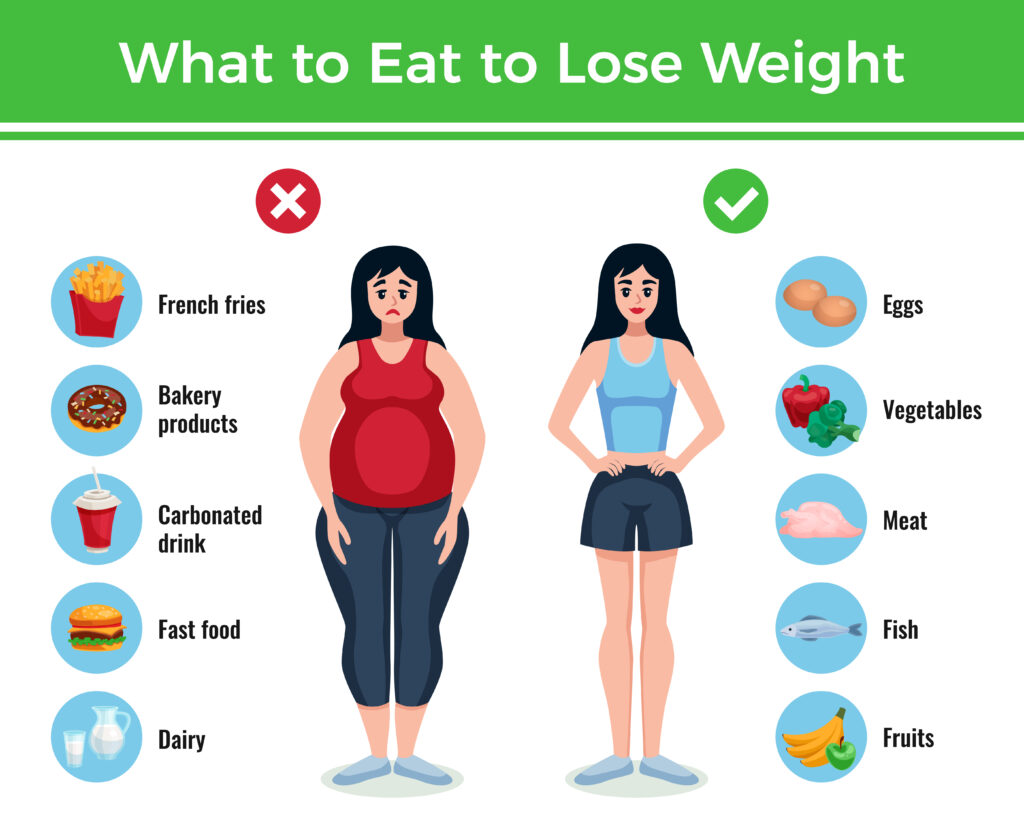
A healthy diet is the cornerstone of any weight loss plan. Focus on whole, nutrient-dense foods that provide essential vitamins and minerals without the extra calories. Incorporate a variety of fruits, vegetables, lean proteins, whole grains, and healthy fats into your meals. By eating nutrient-rich foods, you’ll feel fuller for longer, reducing the temptation to snack on unhealthy options.
-
Include: leafy greens, berries, avocados, chicken breast, and salmon.
2. Practice Portion Control: Don’t Overeat
One of the easiest ways to lose weight is by controlling portion sizes. Even healthy foods can lead to weight gain if consumed in large quantities. Try using smaller plates, measuring your food, and being mindful of portion sizes to avoid overeating.
-
Tip: Stop eating when you’re about 80% full—this is called the Hara Hachi Bu method, a practice that promotes better digestion and prevents overconsumption.
3. Drink More Water: Stay Hydrated
Water plays a crucial role in metabolism, digestion, and overall health. Drinking enough water can also help reduce hunger and prevent overeating. Aim for 8-10 cups of water a day, and even more if you’re active or in a hot climate.
-
Tip: Drink a glass of water before each meal to curb hunger and prevent overeating.
4. Get Active: Exercise Regularly
Exercise is essential for burning calories, building muscle, and boosting metabolism. Aim for at least 150 minutes of moderate aerobic activity or 75 minutes of vigorous activity per week, along with strength training exercises twice a week.
-
Effective exercises: walking, cycling, running, and strength training.
5. Get Enough Sleep: Quality Rest is Key
Sleep and weight loss go hand in hand. Poor sleep patterns can increase hunger, slow down your metabolism, and lead to poor food choices. Aim for 7-9 hours of sleep per night to help regulate hunger hormones and give your body the rest it needs to function optimally.
-
Tip: Try going to bed and waking up at the same time every day to improve sleep quality.
6. Reduce Stress: Manage Your Mental Health
Chronic stress can lead to overeating and cravings for unhealthy foods. Managing stress through techniques like meditation, yoga, or deep breathing exercises can help you stay on track with your weight loss goals.
-
Stress management tip: Practice deep breathing or take a 10-minute walk to de-stress and reduce emotional eating.
7. Cut Down on Sugar and Processed Foods
Sugar and processed foods are high in empty calories and provide little nutritional value. These foods can cause blood sugar spikes and crashes, leading to hunger and overeating. Reduce your intake of sugary drinks, snacks, and fast food to help shed excess weight.
-
Healthy alternatives: Choose whole fruits, unsweetened yogurt, and homemade meals over packaged options.
8. Track Your Progress: Keep a Food Journal
Tracking your food intake and exercise routines can help you stay accountable and make better choices. A food journal allows you to assess your eating habits, identify patterns, and make adjustments when needed.
-
Tip: Use a mobile app to log meals and workouts to track progress easily.
9. Eat More Fiber: Feel Full Longer
Fiber-rich foods help you feel fuller for longer, reducing the likelihood of snacking between meals. Foods like whole grains, fruits, vegetables, and legumes are excellent sources of fiber that can aid in weight loss.
-
Tip: Incorporate fiber-rich foods into every meal for sustained energy throughout the day.
10. Find a Support System: Stay Motivated
Having a support system can significantly improve your chances of success. Whether it’s family, friends, or a fitness group, staying connected with others who share similar goals will help keep you motivated and on track.
-
Support tip: Join an online community or find a workout buddy to share your weight loss journey.

The Role of Mental Health in Weight Loss
Weight loss isn’t just about the physical aspect; your mental health plays a crucial role in your journey. Developing a positive mindset, setting realistic goals, and learning to manage setbacks are all vital components of sustainable weight loss.
1. Set Realistic Expectations
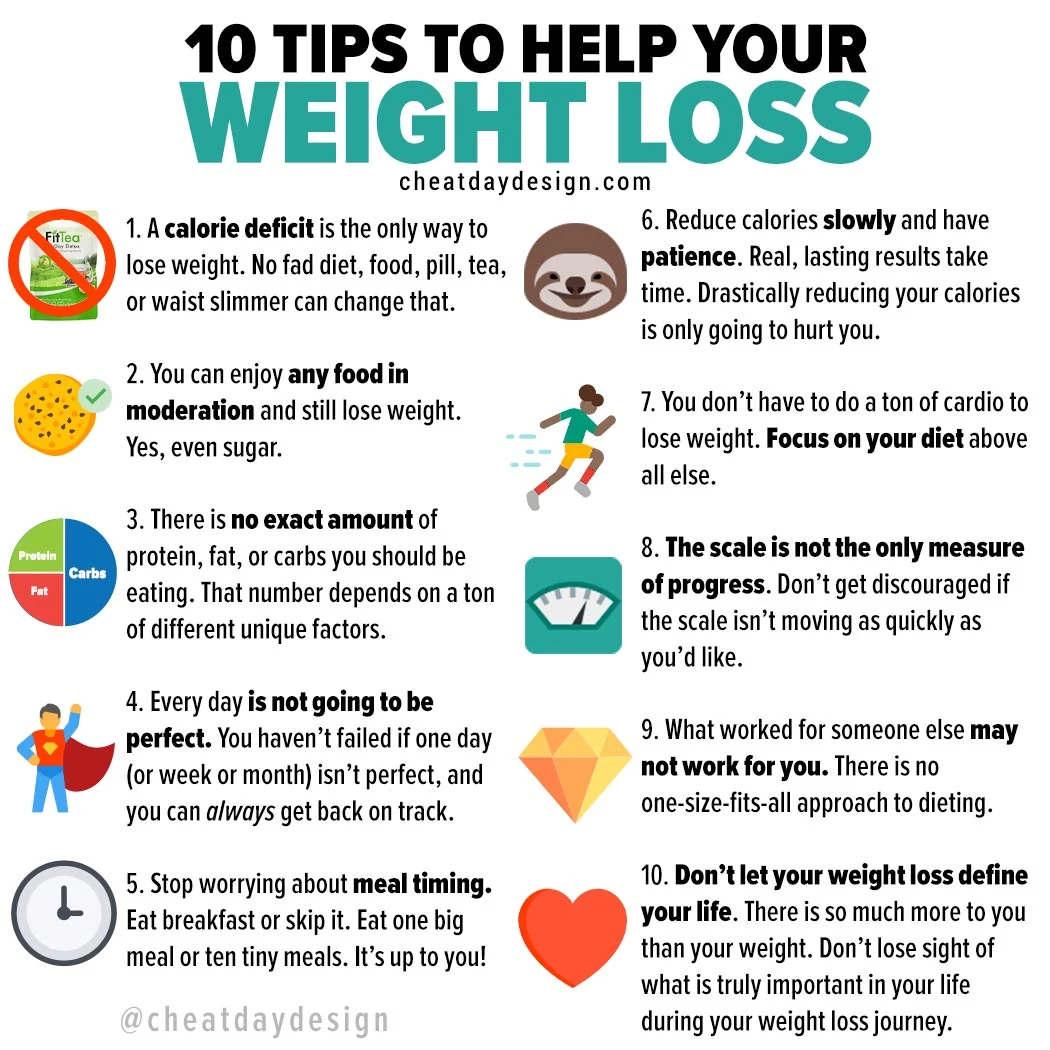
Losing weight takes time, and it’s important to set achievable goals. Aim for 1-2 pounds per week, which is considered a healthy and sustainable rate. Setting small, incremental goals will help you stay motivated and celebrate your progress along the way.
2. Be Kind to Yourself
Don’t beat yourself up over occasional slip-ups. Everyone has moments of weakness, but the key is to get back on track without guilt. Treat yourself with kindness and focus on making progress, not perfection.
FAQs About Weight Loss
1. How quickly can I expect to see results?
Weight loss varies from person to person, but with consistent effort, you can expect to see visible changes within 4-6 weeks. The key is consistency, so stick with your plan even if results seem slow at first.
2. Do I need to follow a strict diet to lose weight?
No, strict diets aren’t necessary for weight loss. Instead, focus on making healthier food choices and incorporating balanced meals into your routine. It’s about creating a sustainable lifestyle rather than a restrictive diet.
3. Can I lose weight without exercise?
While exercise helps speed up weight loss, you can still lose weight by focusing on a healthy diet and reducing calorie intake. However, combining a good diet with regular exercise will lead to faster, more sustainable results.
4. How can I avoid emotional eating?
Emotional eating can be challenging, but finding healthier coping mechanisms is crucial. Try journaling, practicing mindfulness, or engaging in a hobby to address emotional triggers without turning to food.
5. What are some weight loss tips for beginners?
For beginners, start by focusing on simple changes like drinking more water, practicing portion control, and incorporating more vegetables into your meals. Take small steps and gradually build up to more advanced habits over time.
Conclusion
Weight loss is a journey that requires patience, discipline, and commitment. By following these tips and focusing on making sustainable changes to your diet, exercise routine, and mental well-being, you can achieve your weight loss goals. Remember, there are no shortcuts to lasting results, but with consistency and determination, you can unlock a healthier version of yourself.
For more weight loss tips and resources, check out our Healthy Living Guide.